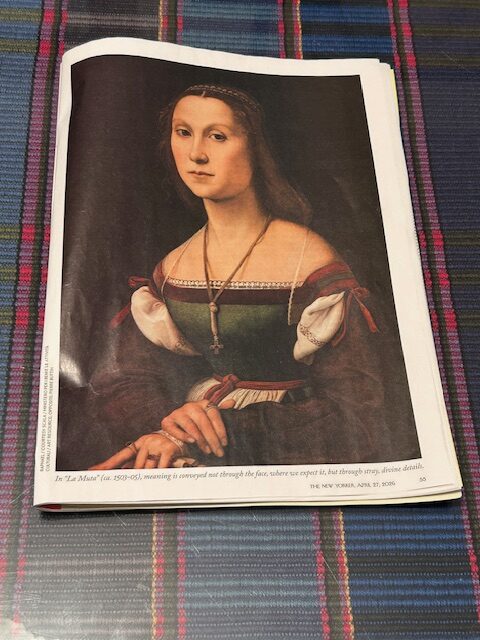
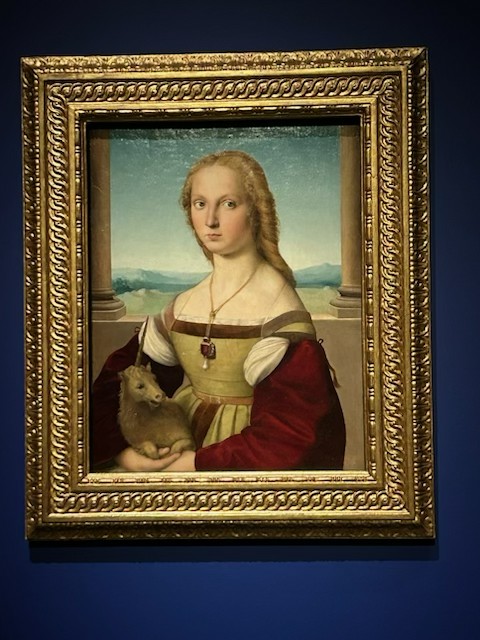
The tumble of history means we are constantly re-evaluating what we think we know. In the field of art history, this process of assessing an artist’s body of work has been aided by precision imaging akin to the technology used in modern medicine to diagnose and treat the human body. This fascinates me. The painting above, for example, has been restored now, but for centuries this betrothal portrait, advertising the eligibility for marriage of a well-born maiden, was cloaked with after-paint covering the unicorn and turning its meaning on its head, replacing the unicorn with a wheel, iconography associated with the Catholic St. Catherine, who refused marriage to tyrant would-be emperor Maxentius.
I am seldom able to attend retrospective exhibitions of graphic art in person, but I feel quite enriched by the one currently on display in far-off New York City that reexamines the work of Renaisance master Raphael.
Context for Poem “Raphaelite Legacy: A Sketch from the Met (April 23, 2026):
Today, April 23, is the day on which each year Shakespeare’s birthday is traditionally celebrated. My own traditional celebration is to write a sonnet each April 23. My ground zero for the study of the sonnet is the Tudor-era English Renaissance accomplishments of William Shakespeare. My first glimmer of the achievement of the late Italian Renaissance artisit Raphael came from the Victorian revolt against the artistic legacy of Renaissance artist Raphael. I learned about William Morris and Gustav Stickley as a college student, falling in love with their aesthetic. The first real piece of furniture Tim and I invested in was a “baby antique”–a new Stickley sofa upholstered in a William Morris print. But one is allowed many loves in life, and how glad I am for that!
The Metropolitan Museum of Art in New York City has opened a ground-breaking exhibition that reevaluates the work of Raphael. “Raphael: Sublime Poetry” will be on view through June 28, 2026.
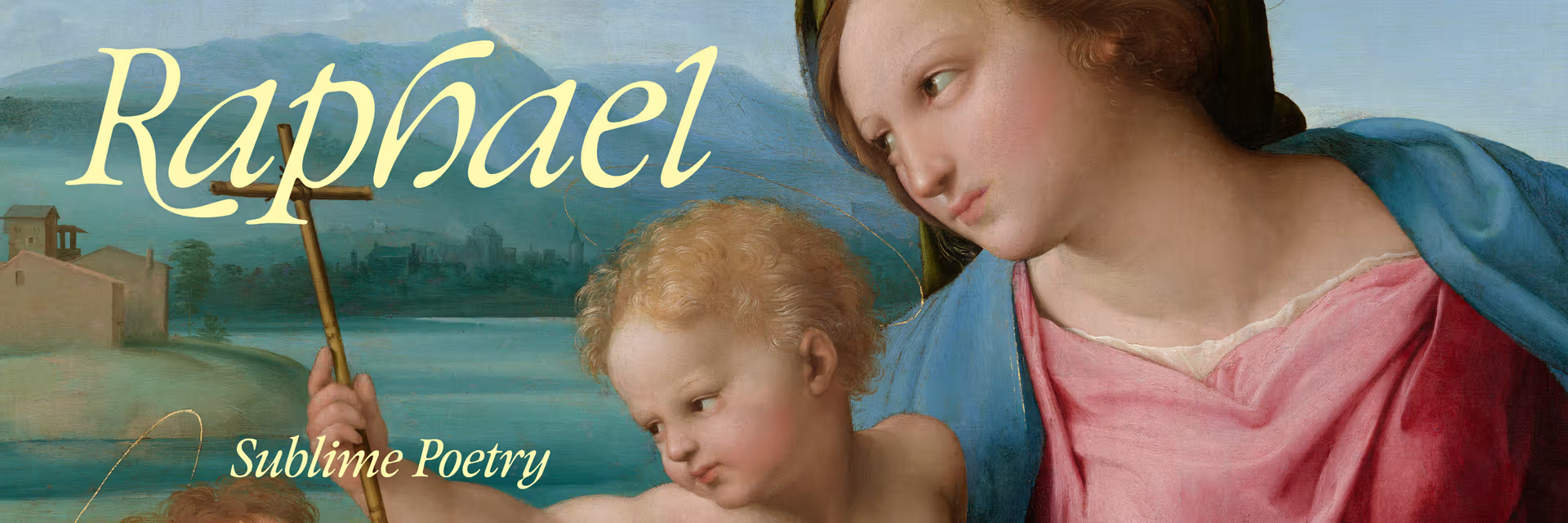
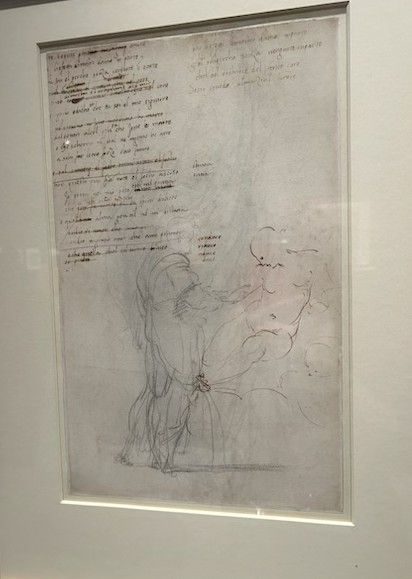
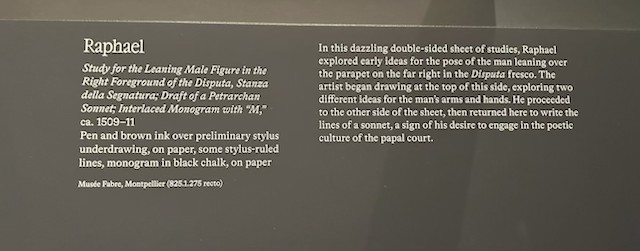
I was tipped off about this gathering and revaluation of a master artist by NYC poet Lynn Sara Lawrence who shared her impressions of the exhibit with me. She and I were both taken with the new-to-us knowledge that Raphael dabbled in poetry, even using the back of his own sketch to make a draft of a Petrachan sonnet.
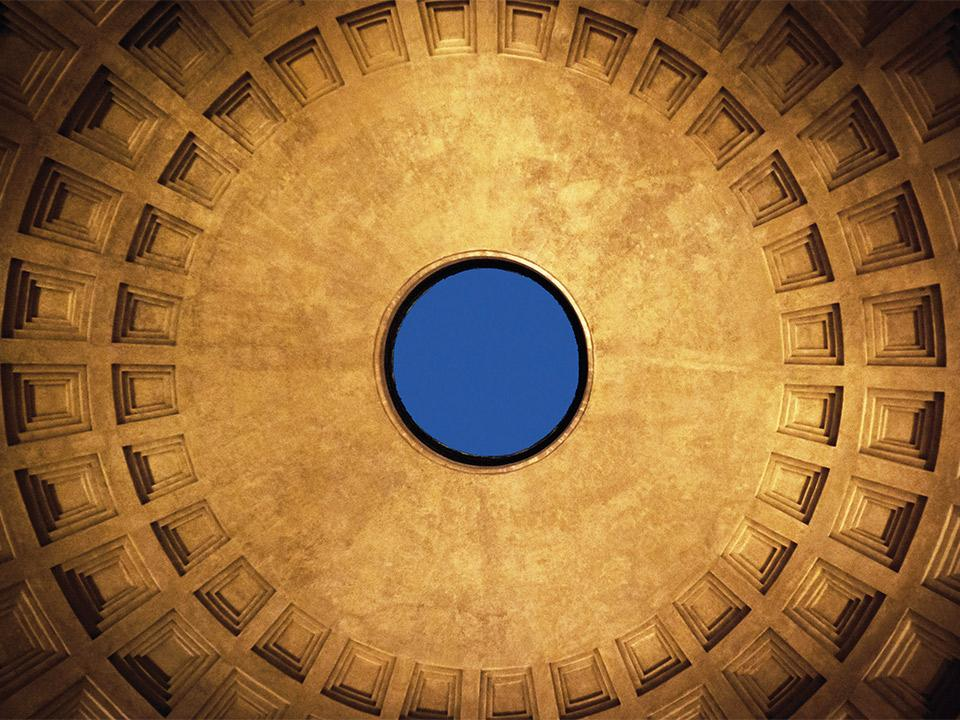
Then, yesterday, the latest issue of The New Yorker arrived in our mailbox, and I read the thought-provoking review of this exhibition by Zachary Fine titled “Sleeping Beauty: Why Raphael’s Brilliance is Deemed Boring.” Among other points, Fine notes, “When Raphael died, a hundred torches were carried by painters at his funeral, and he was buried in the rotunda of the Pantheon,” and “…Raphael has the rare distinction of having an entire aesthetic movement named after a desire to go back to a time before him.” In describing the visual structure of an enormous tapestry designed by Raphael, Fine observes that the artist “…collapses the second into the minute into the day, and then doubles the scene over itself through a reflection in water.” These observations gave me the entry points I needed to write today’s Petrachan sonnet.
If you, too, are enamored of the sonnet forms–Petrachan, Shakespearean, or hybrid–and can’t resist fiddling around with the possibilities offered by it, why not send your best efforts to the annual International Maria W. Faust Sonnet Contest? The 2026 deadline for receipt of entries in June 1. Or join us for the Sonnet Celebration of winning entries in Winona, Minnesota on July 26, 2026.
Until tomorrow,
LESLIE