“Who are we?” “What are we?” “Why are we?” Glenda Jackson, on Shakespeare’s central questions Vogue, April 2019 I.
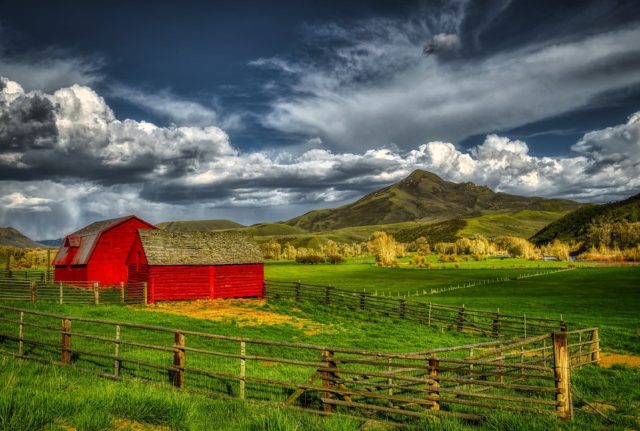
Here in the heat and scrub of high plateau a woman could wander for weeks without seeing another soul. Just thirst and woe for company. A shirt, soft jeans, and stout
boots, maybe a knife? I was twenty, so clueless. What could be more tame than this, outpost of wild western vibe, the dude ranch? Oxbow curve of cabins along Wolf Creek, evening bouts
of drinking by guests, mountains blocking low stars at twilight. That summer, consumed by doubts, mood-clouded, I waited tables, would go as far as I could, between meals, on foot.
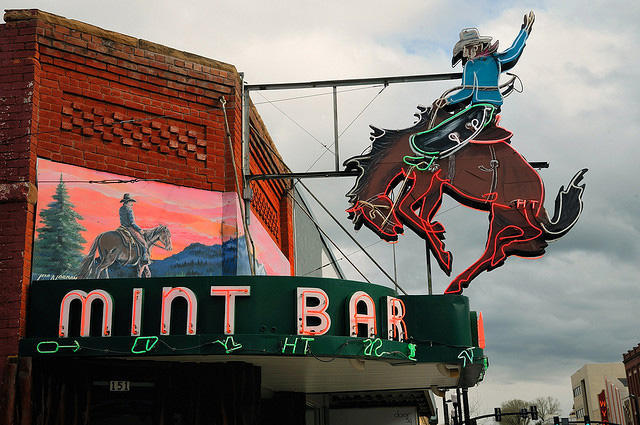
For true escape, there was Sheridan, by car: jukebox, laconic cowboys, the Mint Bar.
II.
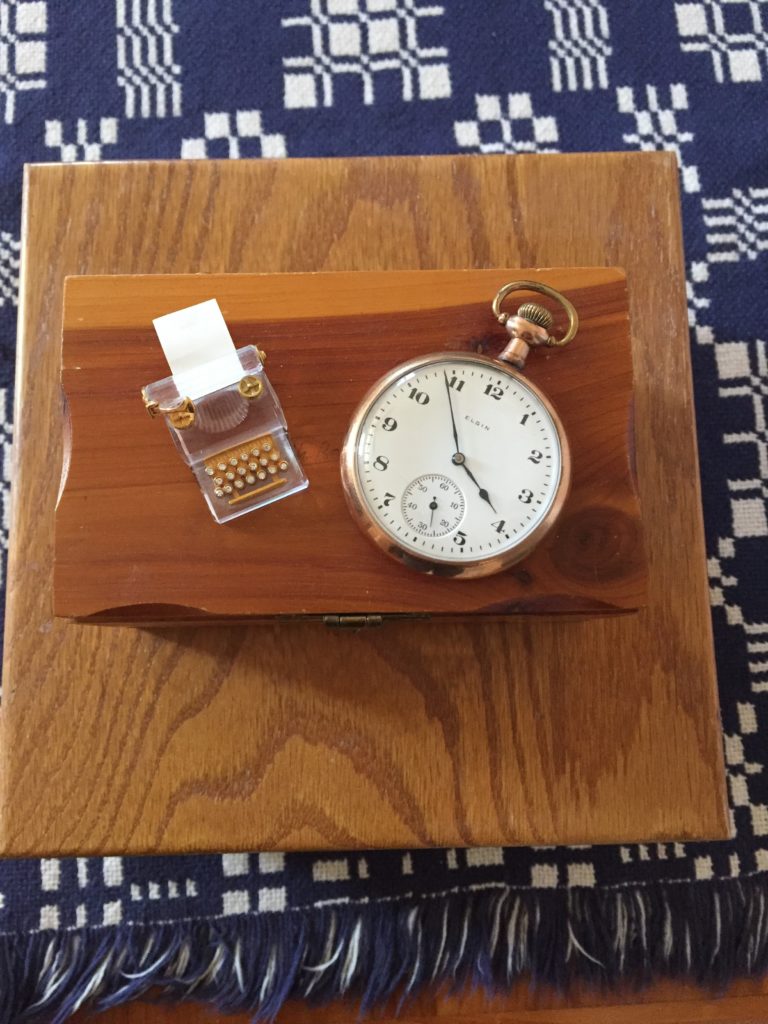
At the Goodwill, I bought a hat, stained band of leather inside, stiff crown and low brim; tooled boots; a gold pocket watch for my hand when it wanted weight. I wouldn’t think of him.
Pretender that I was, the raw, wind-grooved land set life in high relief. One dusk, at the red rim of a rise in the road, I spied some tan skin, a line of crushed spine. I saw I could skim
off part with my pocket knife, take the end of the snake with me, circumvent venom. I thought I could keep the rattle and bend its music into protection, however grim.
Faithless lover, sharper than serpent’s tooth. I swore to write to him, to sing the truth.
III.
All summer, I’d tried not to think of the man I loved the way a thundercloud will cling to its rain, refusing even one drop to land. Now words tumbled out in gusts, outpouring
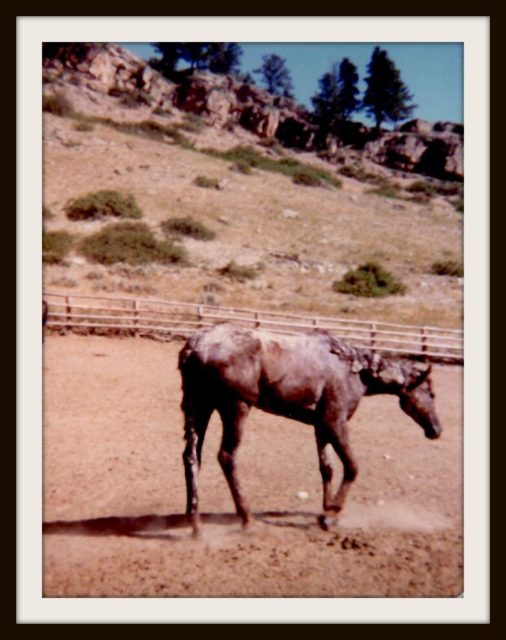
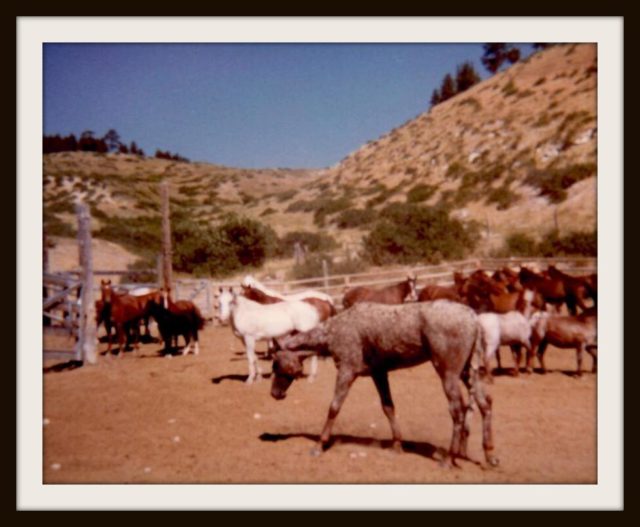
onto the dry page. I addressed it by hand, licked a stamp, sent it off, then went striding to the corral. Just then, a horse limped in, shunned by its herd. For two days, she'd been expiring
in a wet bog, mired to her neck. A ranch hand, with his rope and mount, pulled her out. Trying, step by painful step, to reach the trough and drink, she did it. Dazed, she managed to stand.
I was done with waiting. I had a poet’s creed. I returned to college packing a tumbleweed.
Leslie Schultz
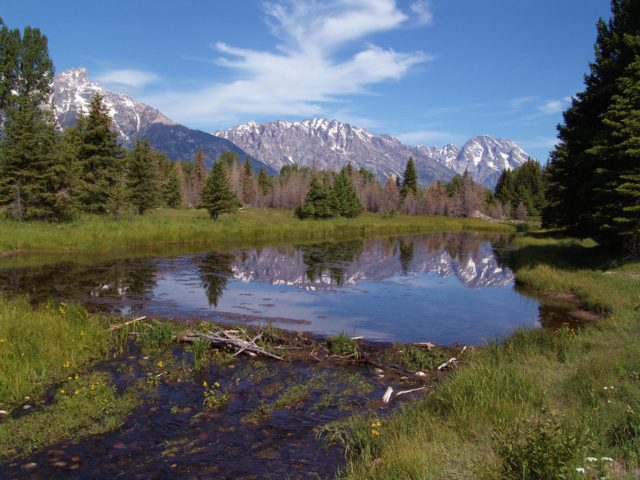
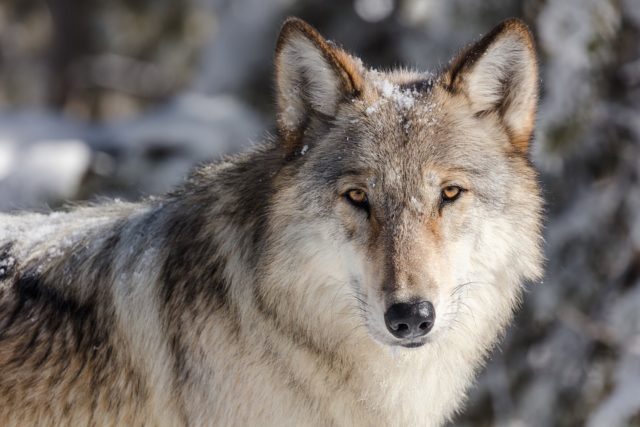
Photo: David of Alcoa, Tennessee (pixabay)Photo: Pete Zarria (Flickr) “The Mint Bar, Sheridan, Wyoming”Photo: Steppinstars (pixabay) “Schwabacher Landing”Photo: skeeze (pixabay)
Happy Shakespeare’s Birthday! The trio of Shakespearean sonnets I wrote this morning is, as they say, “based on a true story….” I spent the summer between my junior and senior years of college at Eaton’s Ranch, the oldest dude ranch in the world. It is beautiful and sometimes desolate country, there in the shadow of the Big Horn Mountains near the borderline between Wyoming and Montana. I learned a lot about myself that summer.
And it was in Sheridan, in a little book store, that a stranger first asked me if I were a poet. Heart pounding, voice quavering, I felt compelled to answer “Yes, I am.” I walked out of the store with a book filled with the metaphors of collective nouns called An Exhaltation of Larks by James Lipton, and uplifted by a sense of true vocation that has sustained me over four decades. I feel very lucky to have found an abundance of loving people in my life, but, no matter what, I have my sense of myself and my work.
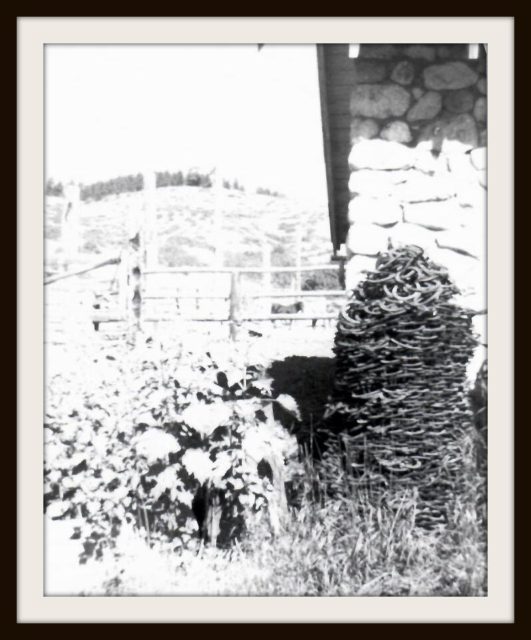
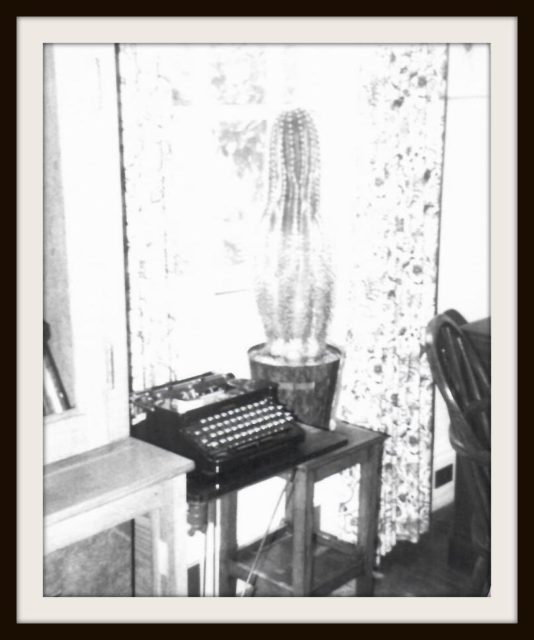
That was also the summer I started taking not just snapshots but aiming for real photographs. (As the incredible work from others, above, shows, I still have a lot to learn! I shall never stop trying, though.) Below are some of the images from that long-ago summer, and one of the watch, taken this morning.
Wishing you an iambically happy ramble through Shakespeare’s Birthday, 2019! LESLIE
P.S. If any of you are lucky enough to see Glenda Jackson and Ruth Wilson in the current production of King Lear, do let me know!
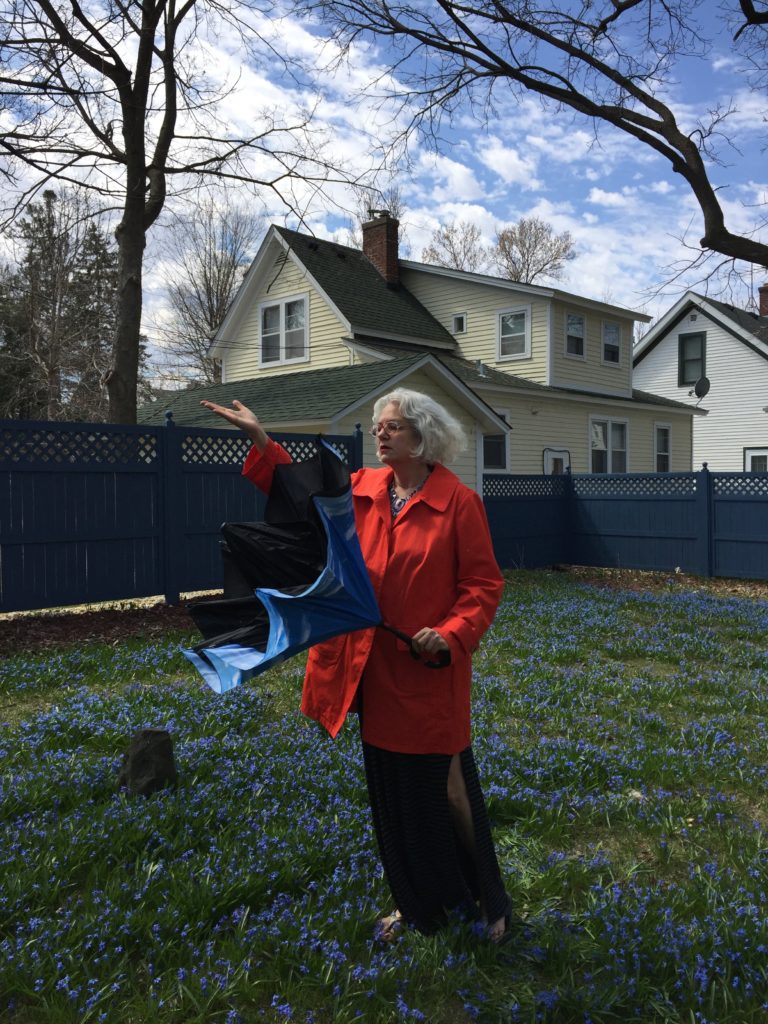
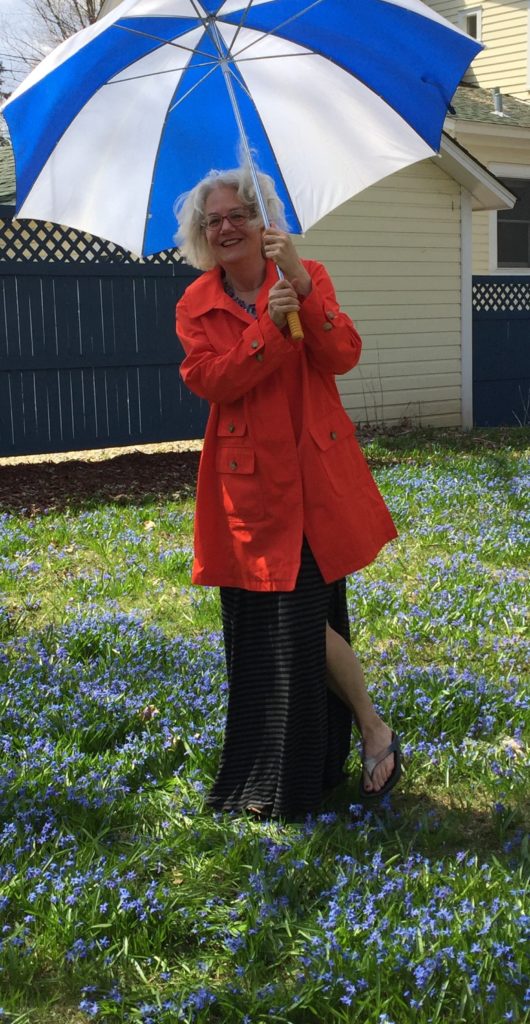
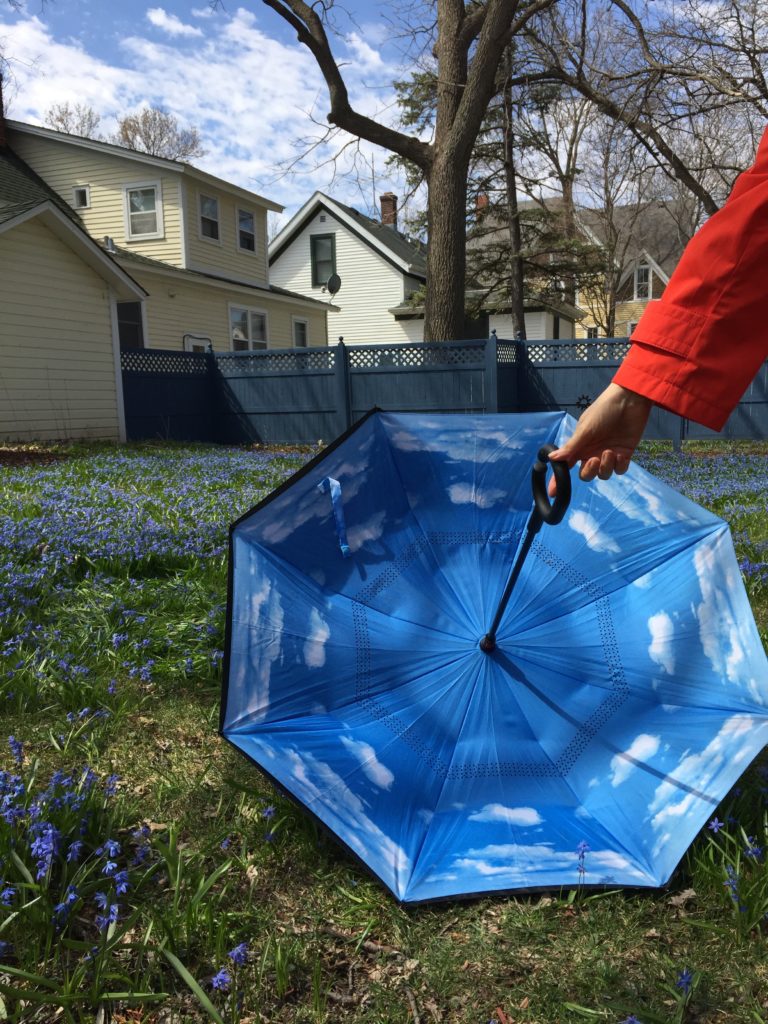
Yep. Today, it is raining again, here in Northfield, Minnesota, but today I am looking on the bright side! Many thanks to model Mattie Lufkin–Mattie, you bring sunshine wherever you go!
LESLIE
“Rain, rain, go away” Noah’s Ark Quilt, Made for a Friend, 1994Carleton College Campus, New Student Week 2016