The Poets light but Lamps — Themselves — go out — The Wicks they stimulate If vital Light
Inhere as do the Suns — Each Age a Lens Disseminating their Circumference —
Emily Dickinson
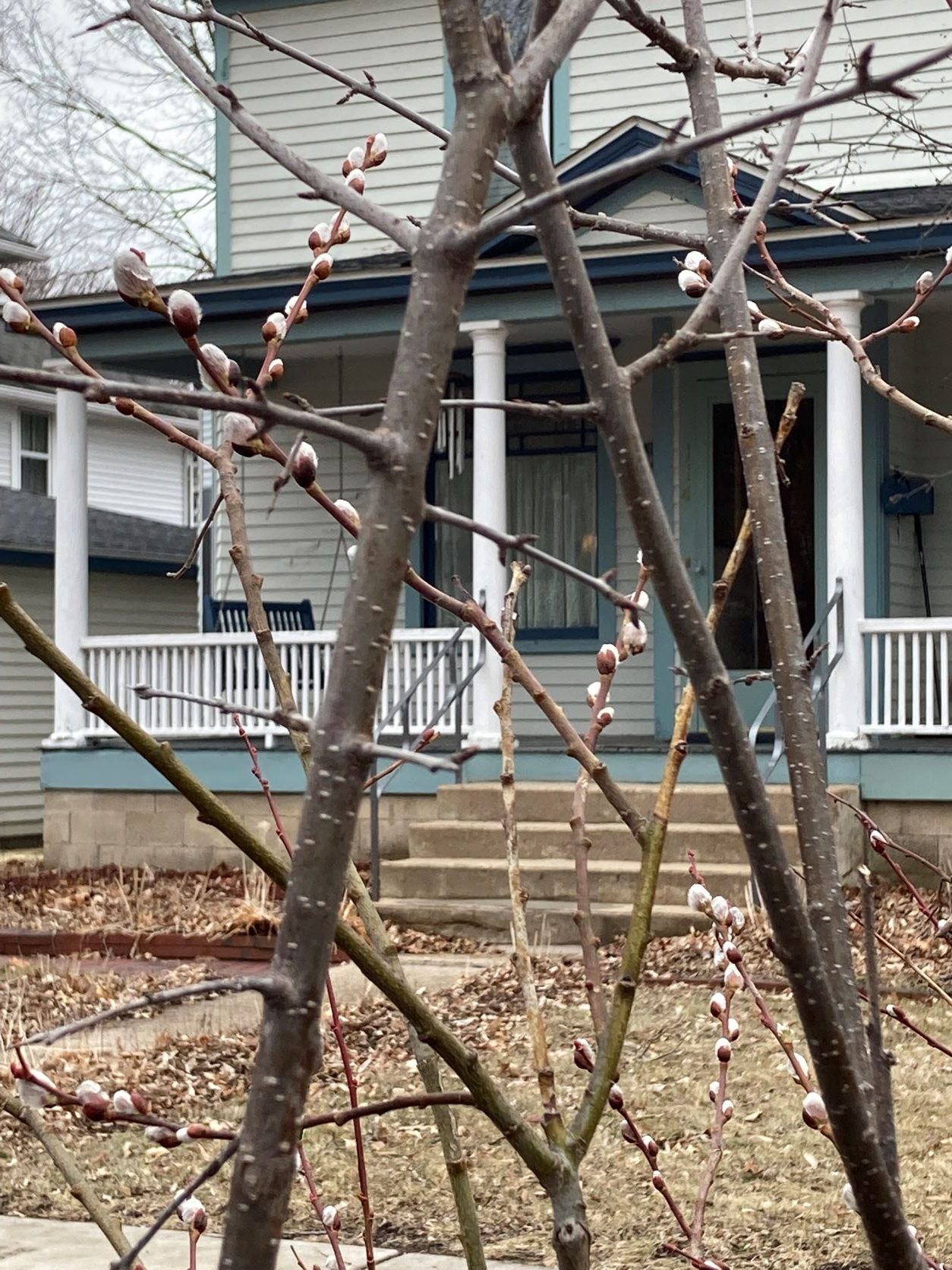
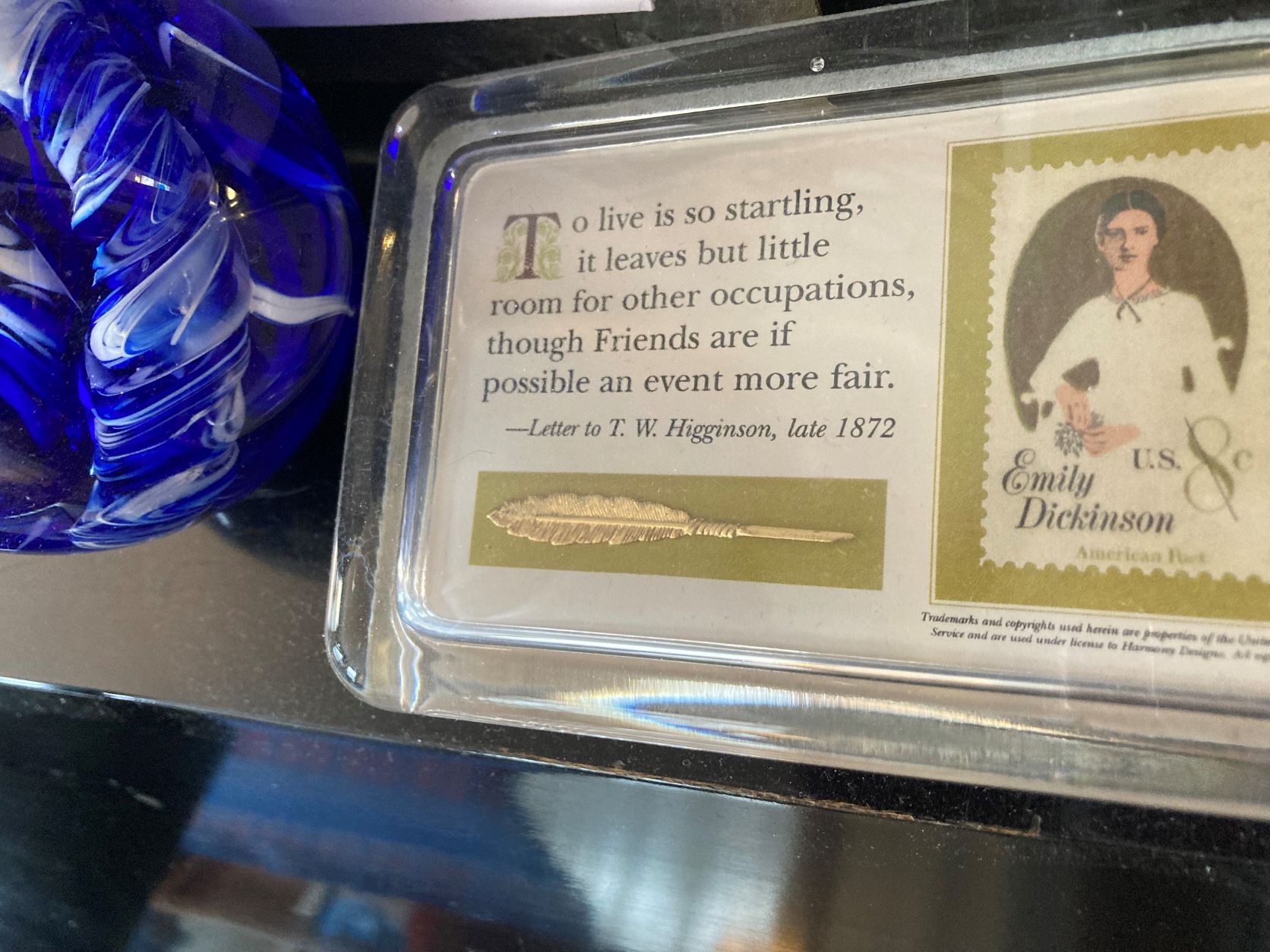
I took these photographs yesterday. A friend who knows both Emily Dickinson’s work and the city of Amherst, Massachusetts well gave me the postcard of Dickinson’s desk some years ago. If you look through her window, the landscape appears to be that of early April. I decided yesterday to send it to a friend who takes daily comfort in mail. Then I thought to take a photograph of the mailbox through the just-now-blooming pussy willow branches. Finally, I came inside and caught sight of the paper weight–also a gift from my Dickinson-loving friend (Thank you, Sally!)
About My Poem for April 5: “Azaleas at Winterthur”
I love spring more each year. And I have always had a particular appreciation for azaleas, probably stemming from childhood years in Portland, Oregon where they vie with rhododendrons for pride of place. In Lake Charles, Louisiana, where I spent two years in an M.F.A. program, I was stupefied by the explosions of azaleas in February. Here in Northfield, I occasionally see one of the hardy Northern Lights azaleas bred by the University of Minnesota, and I still hope one day to have one planted in our garden.
Within all these memories and dreams, however, nothing tops the time my friend, Beth, drove from her apartment on the campus of Westtown School to the incredible horticultural gardens of Winterthur Estate. Designed by Henry Francis du Pont, these gardens are a kind of living library of plants, curated for impact of form and color.
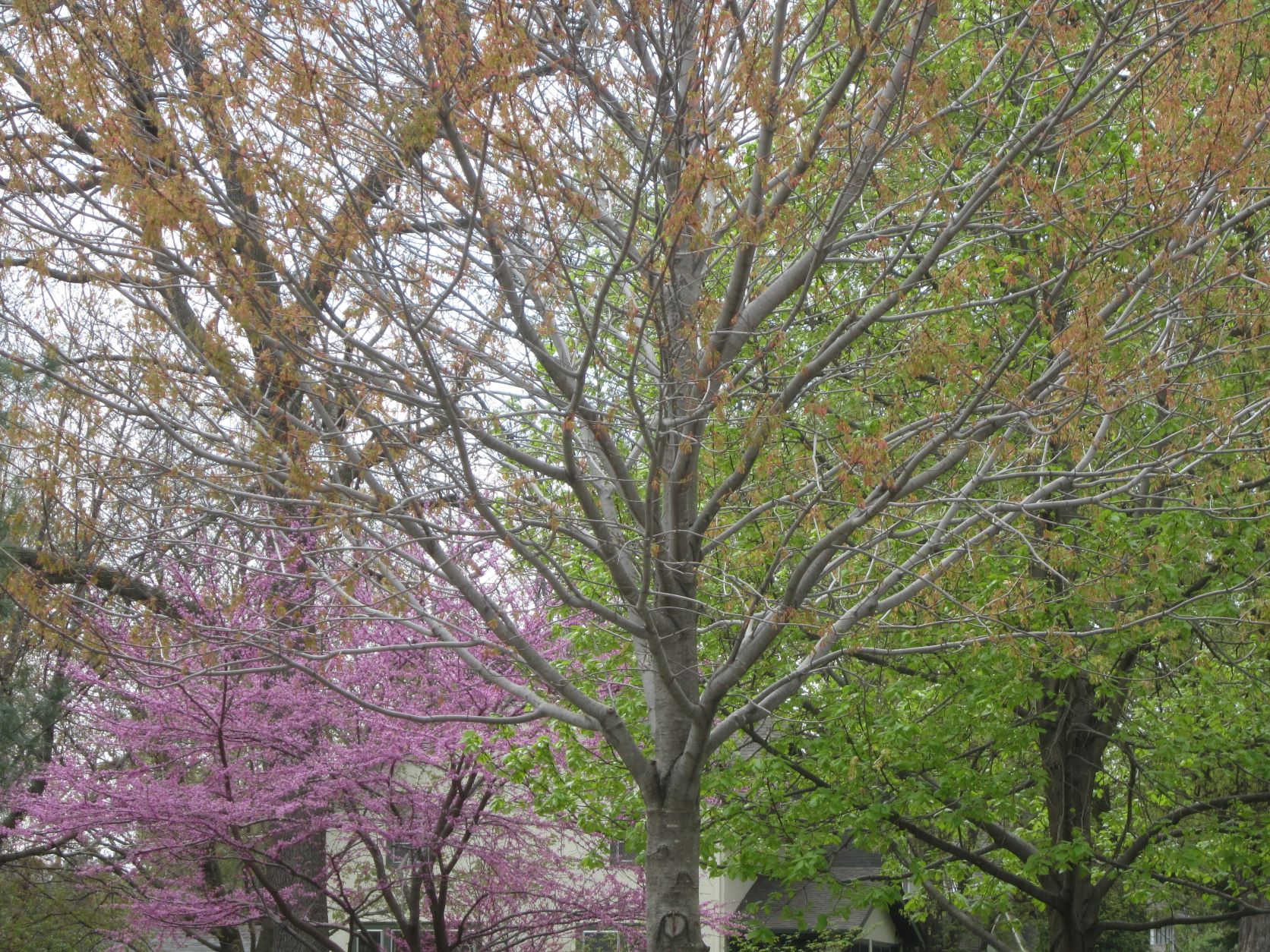
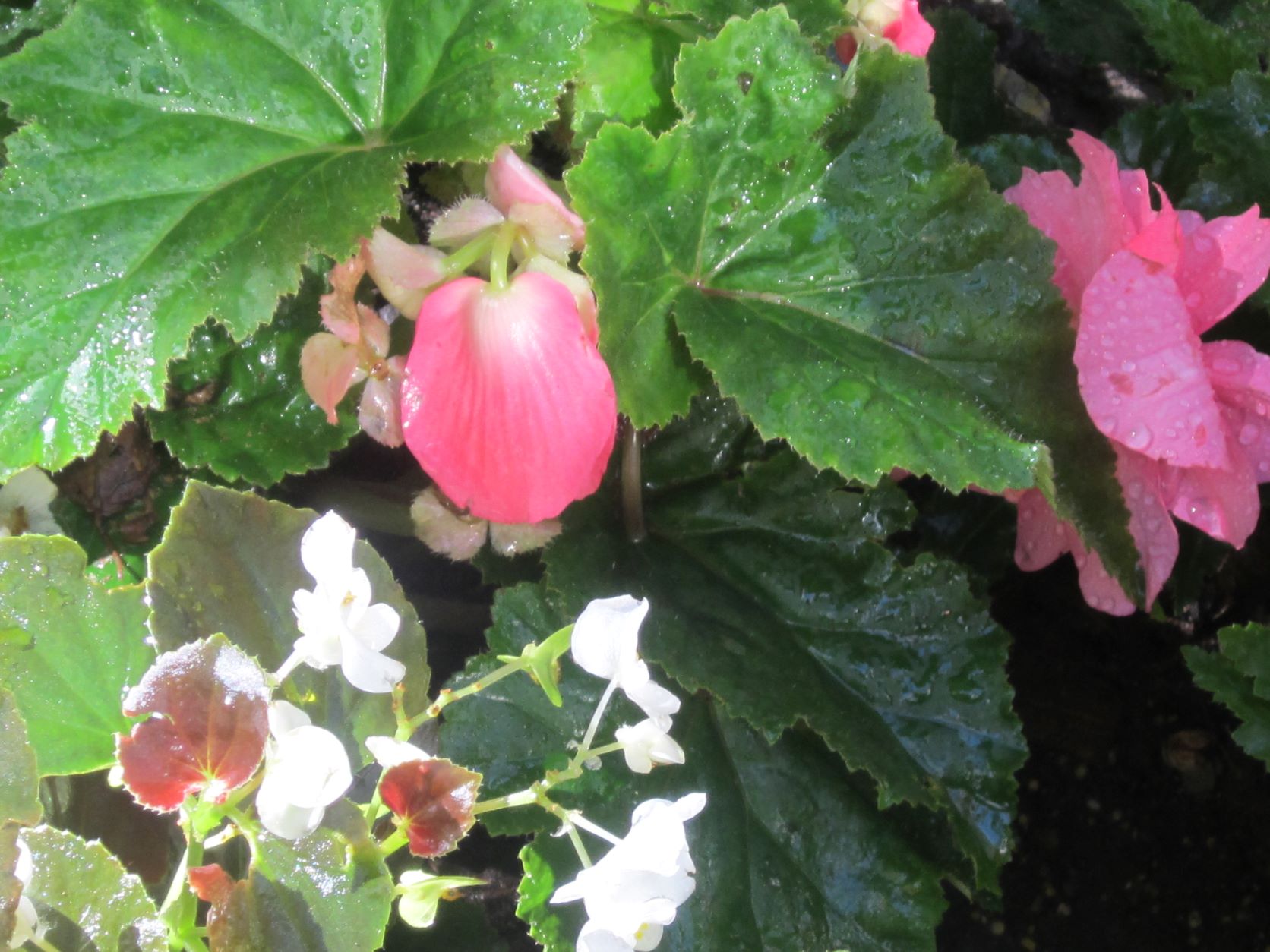
I couldn’t locate any photos from my trip to Winterthur. That was back before I had my first digital camera. Instead, here are a few local buds, leaves and blooms from earlier springs.
P.S. A special thank you to Mark Danowsky of ONE ART: A Journal of Poetry. His April newsletter offered a list of prompts, one involving colors, that was the catalyst for today’s poem.
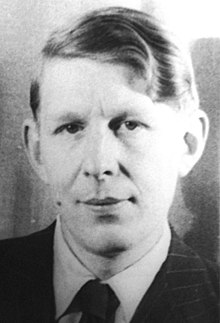
W. H. Auden is a favorite poet of mine. Some years ago, I learned that our former neighbor, Ian Barbour, had, as a boy, had Auden as a teacher. I most recently encountered Auden as a character in the novel about Thomas Mann, The Magician, through Auden’s marriage to Mann’s daughter, Erika. It wasn’t until I wrote today’s poem–about water and memory and ancient limestone walls in my own basement–that I discovered this poem of his. When I read it, I thought of the karst geology of my own home region and loved what he did with his local version of this subject. When I look at these two portraits of him, I see the ideas of memory and erosion splendidly illustrated and alive. I hope you this Whitmanesque poem of his, too.
If it form the one landscape that we, the inconstant ones, Are consistently homesick for, this is chiefly Because it dissolves in water. Mark these rounded slopes With their surface fragrance of thyme and, beneath, A secret system of caves and conduits; hear the springs That spurt out everywhere with a chuckle, Each filling a private pool for its fish and carving Its own little ravine whose cliffs entertain The butterfly and the lizard; examine this region Of short distances and definite places: What could be more like Mother or a fitter background For her son, the flirtatious male who lounges Against a rock in the sunlight, never doubting That for all his faults he is loved; whose works are but Extensions of his power to charm? From weathered outcrop To hill-top temple, from appearing waters to Conspicuous fountains, from a wild to a formal vineyard, Are ingenious but short steps that a child’s wish To receive more attention than his brothers, whether By pleasing or teasing, can easily take.
Watch, then, the band of rivals as they climb up and down Their steep stone gennels in twos and threes, at times Arm in arm, but never, thank God, in step; or engaged On the shady side of a square at midday in Voluble discourse, knowing each other too well to think There are any important secrets, unable To conceive a god whose temper-tantrums are moral And not to be pacified by a clever line Or a good lay: for accustomed to a stone that responds, They have never had to veil their faces in awe Of a crater whose blazing fury could not be fixed; Adjusted to the local needs of valleys Where everything can be touched or reached by walking, Their eyes have never looked into infinite space Through the lattice-work of a nomad’s comb; born lucky, Their legs have never encountered the fungi And insects of the jungle, the monstrous forms and lives With which we have nothing, we like to hope, in common. So, when one of them goes to the bad, the way his mind works Remains incomprehensible: to become a pimp Or deal in fake jewellery or ruin a fine tenor voice For effects that bring down the house, could happen to all But the best and the worst of us… That is why, I suppose, The best and worst never stayed here long but sought Immoderate soils where the beauty was not so external, The light less public and the meaning of life Something more than a mad camp. ‘Come!’ cried the granite wastes, “How evasive is your humour, how accidental Your kindest kiss, how permanent is death.” (Saints-to-be Slipped away sighing.) “Come!” purred the clays and gravels, “On our plains there is room for armies to drill; rivers Wait to be tamed and slaves to construct you a tomb In the grand manner: soft as the earth is mankind and both Need to be altered.” (Intendant Caesars rose and Left, slamming the door.) But the really reckless were fetched By an older colder voice, the oceanic whisper: “I am the solitude that asks and promises nothing; That is how I shall set you free. There is no love; There are only the various envies, all of them sad.”
They were right, my dear, all those voices were right And still are; this land is not the sweet home that it looks, Nor its peace the historical calm of a site Where something was settled once and for all: A back ward And dilapidated province, connected To the big busy world by a tunnel, with a certain Seedy appeal, is that all it is now? Not quite: It has a worldy duty which in spite of itself It does not neglect, but calls into question All the Great Powers assume; it disturbs our rights. The poet, Admired for his earnest habit of calling The sun the sun, his mind Puzzle, is made uneasy By these marble statues which so obviously doubt His antimythological myth; and these gamins, Pursuing the scientist down the tiled colonnade With such lively offers, rebuke his concern for Nature’s Remotest aspects: I, too, am reproached, for what And how much you know. Not to lose time, not to get caught, Not to be left behind, not, please! to resemble The beasts who repeat themselves, or a thing like water Or stone whose conduct can be predicted, these Are our common prayer, whose greatest comfort is music Which can be made anywhere, is invisible, And does not smell. In so far as we have to look forward To death as a fact, no doubt we are right: But if Sins can be forgiven, if bodies rise from the dead, These modifications of matter into Innocent athletes and gesticulating fountains, Made solely for pleasure, make a further point: The blessed will not care what angle they are regarded from, Having nothing to hide. Dear, I know nothing of Either, but when I try to imagine a faultless love Or the life to come, what I hear is the murmur Of underground streams, what I see is a limestone landscape.
May 1948
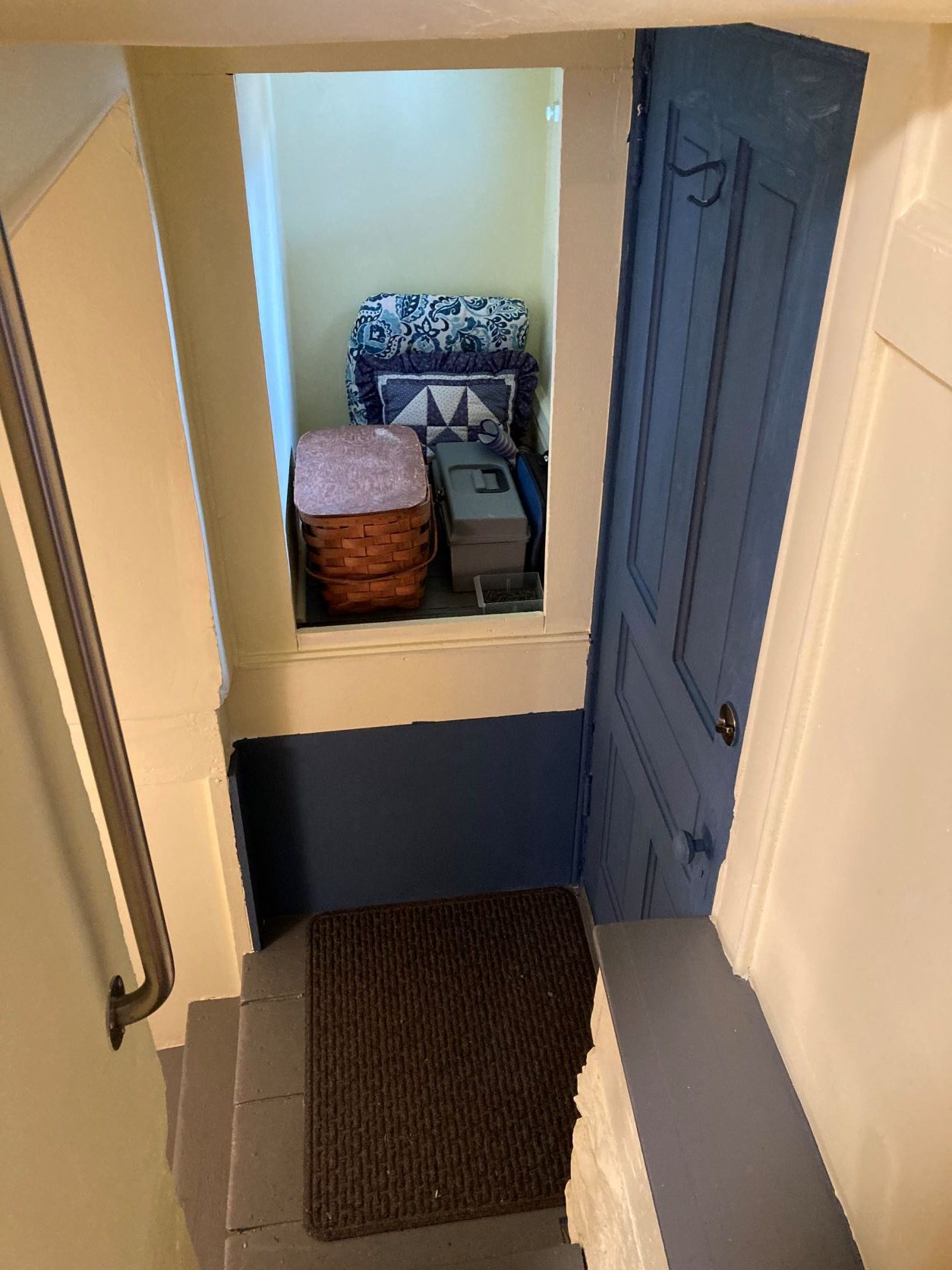
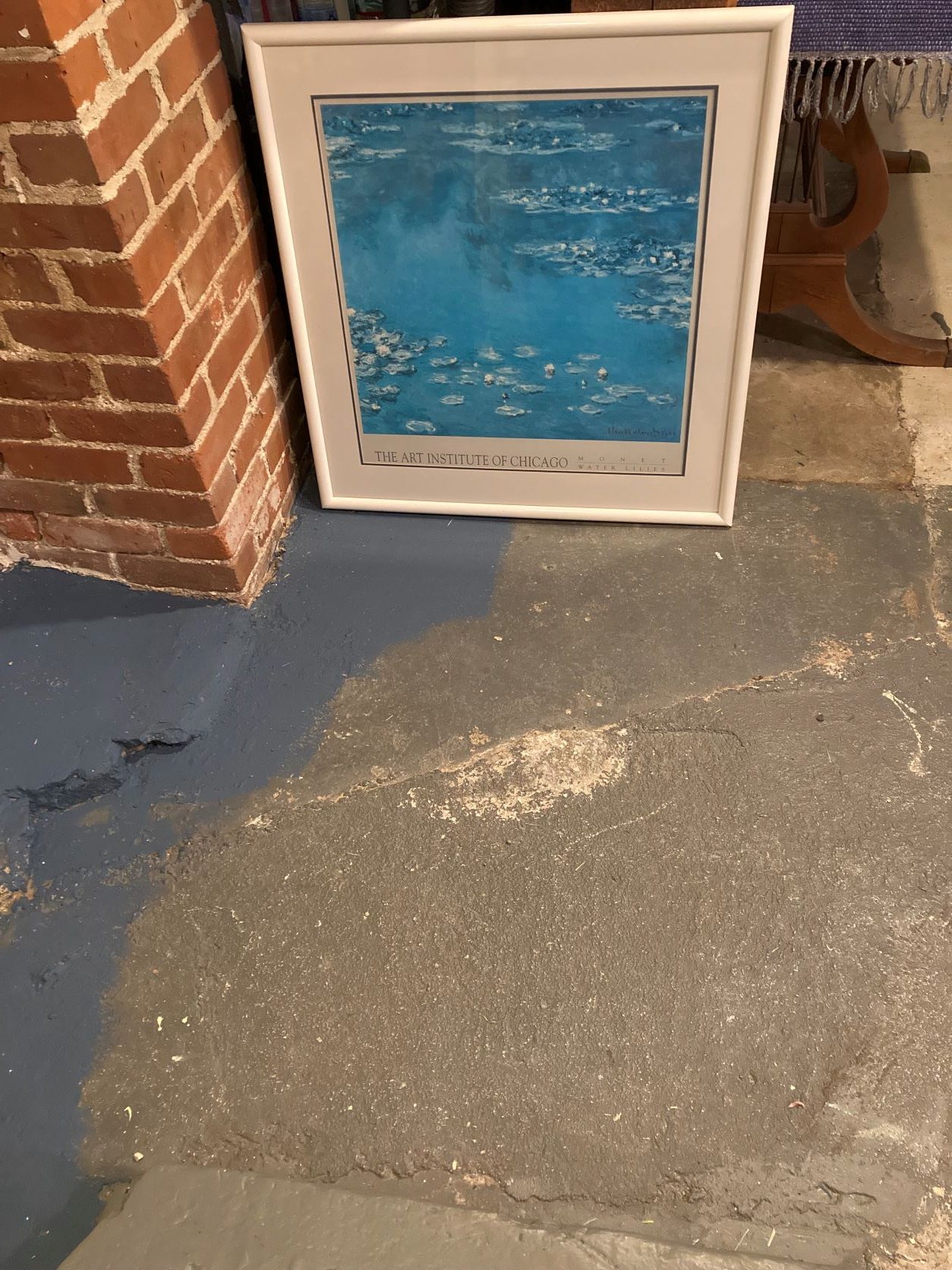
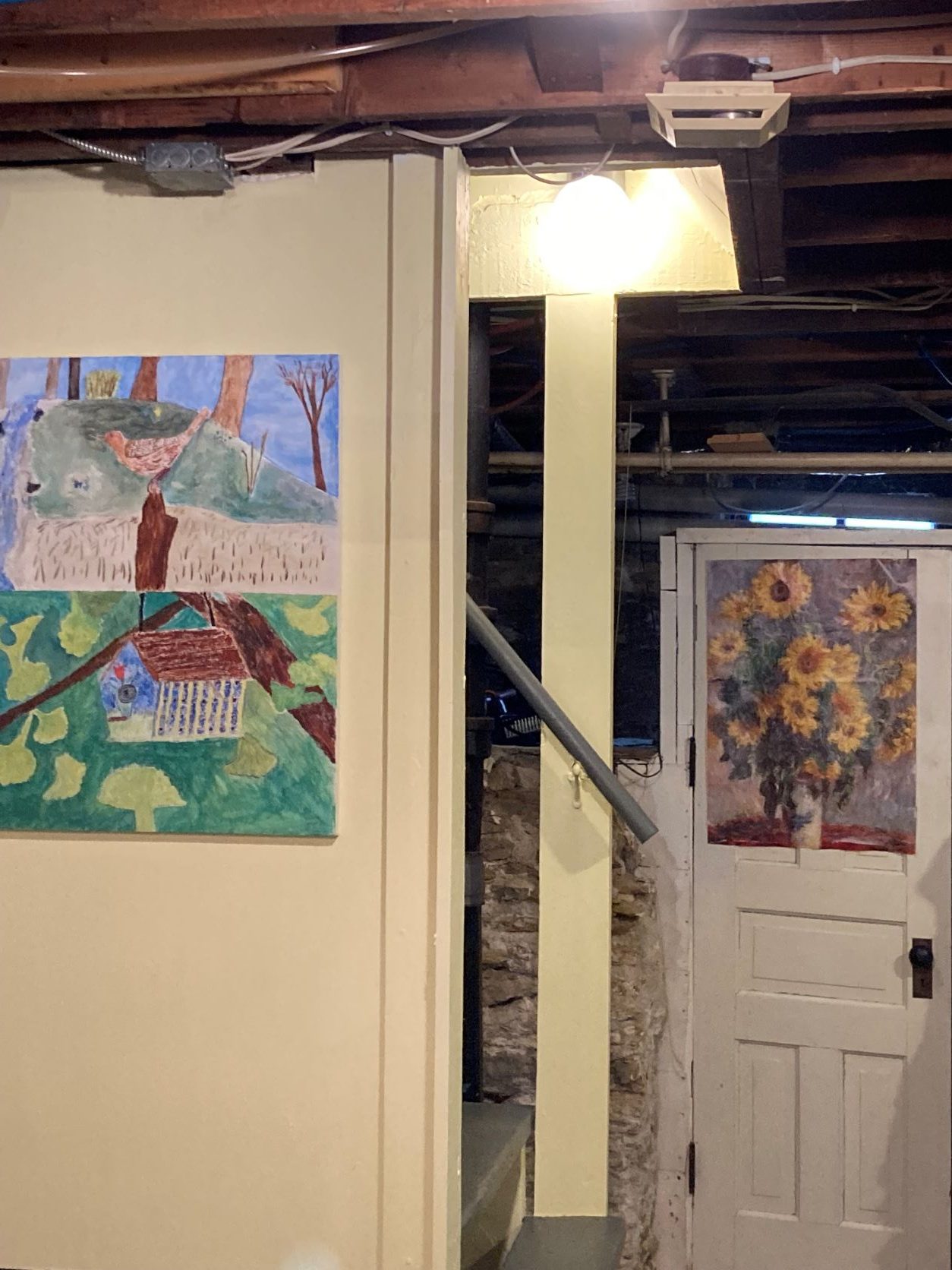
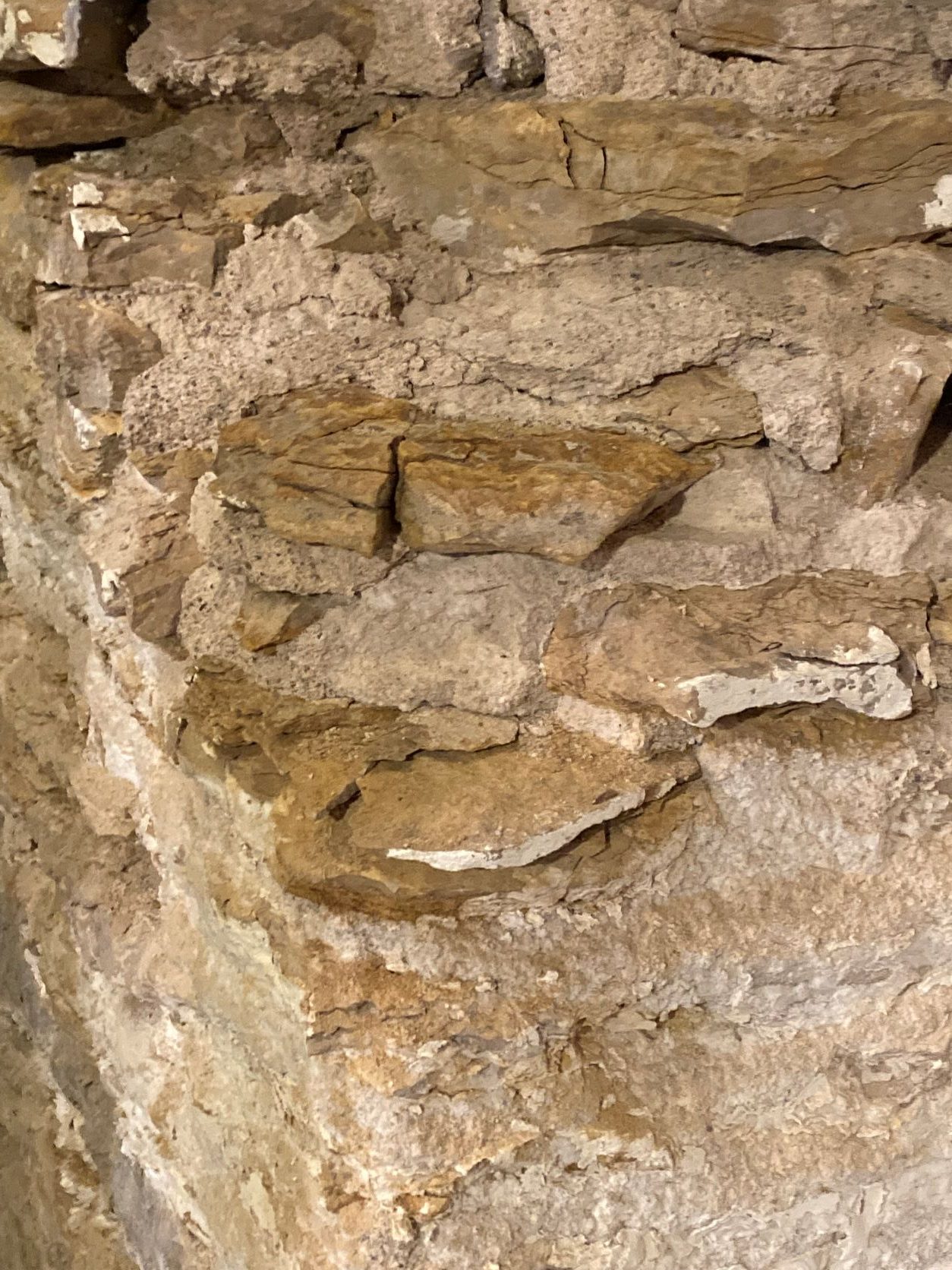
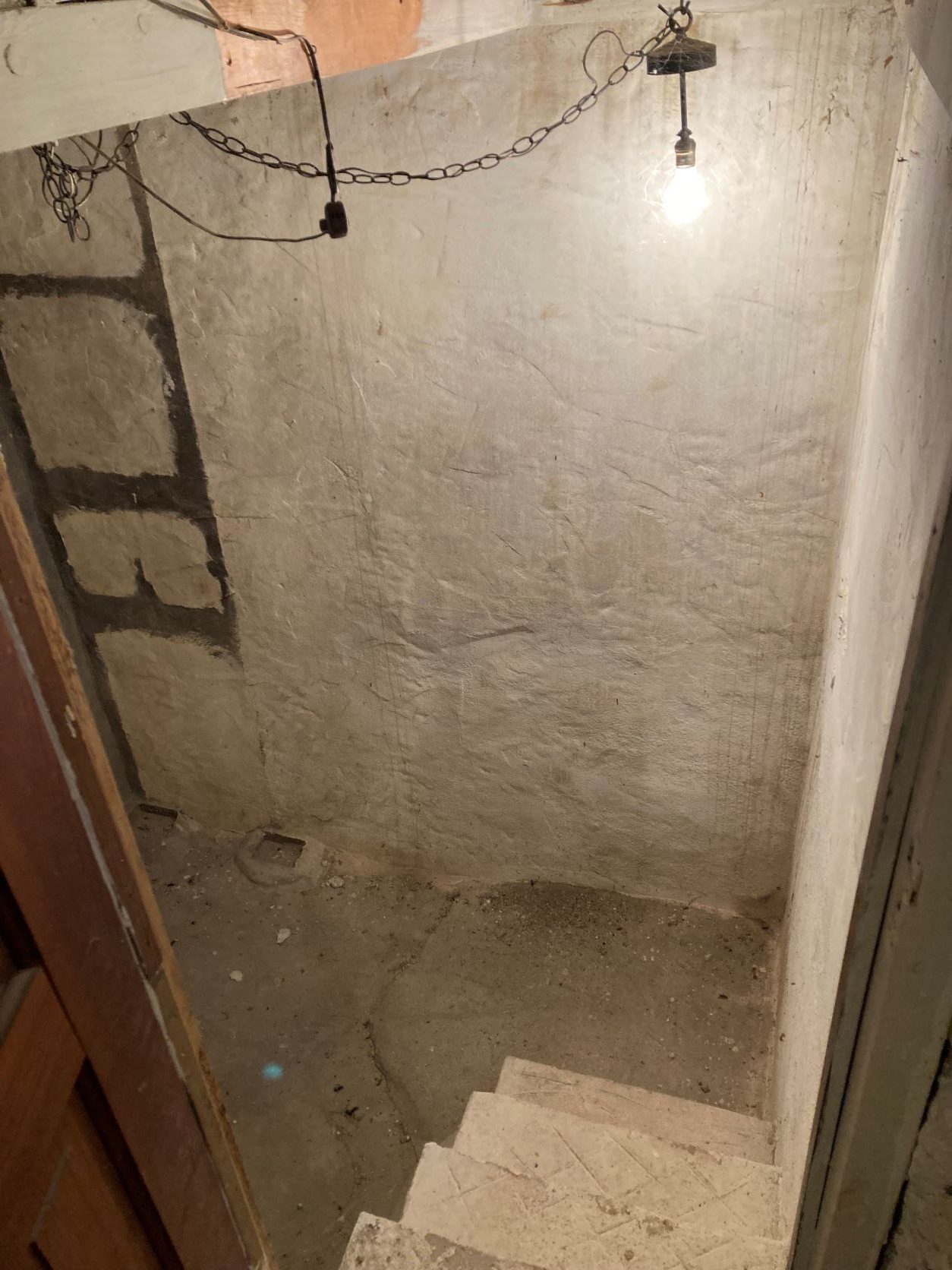
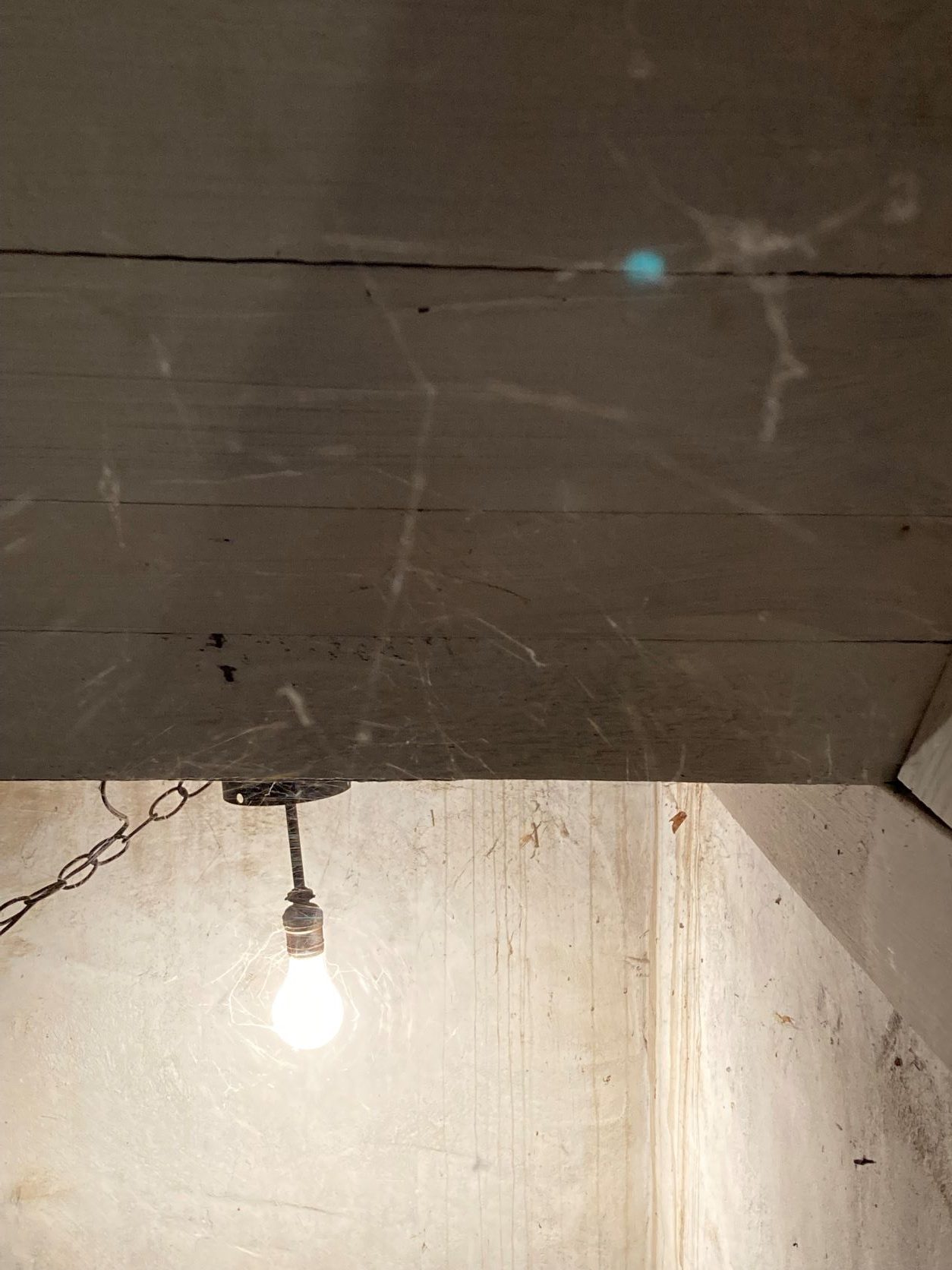
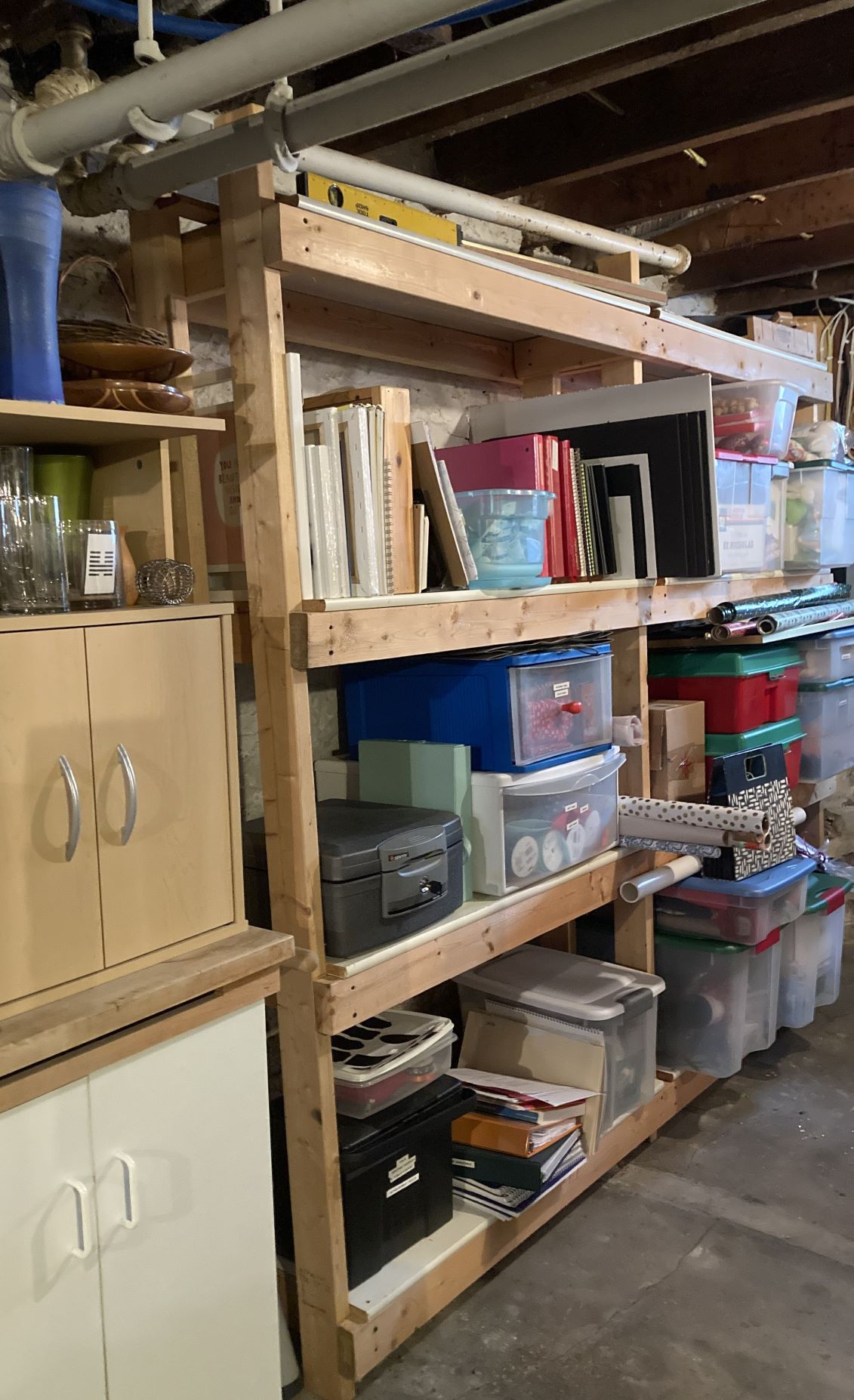
Background for My Poem for April 4, 2022: “Sifting Through the Basement”:
A flip-book tour of the work-in-progress that is the basement (including the eerie sub-basement that did not make it into the poem.)
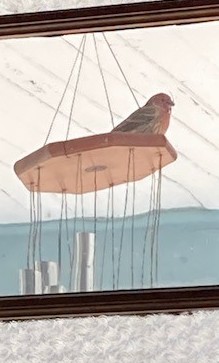
I think that this is a rose breasted grosbeak, a species I hardly ever see, stopping by for a short visit. (If you think it is a different kind of bird, please let me know–my birder skills are vestigial at best, but I am trying to learn!)
Photo: Thomas Sondermann/Pixabay (Used by permission)
Perhaps best known as a novelist of dystopian fiction, Margaret Atwood is a Canadian-born giant in the world of literature. Her work is translated into thirty languages, and she seems to have an unlimited imagination and prodigious work ethic along with her fierce intelligence.
I first read her novel, Surfacing, in a women’s studies class during my sophomore year of college. I was mesmerized, and it has held up over many re-readings. Perhaps my favorite of her novels is the work of historical fiction, Alias Grace. (Yes, not only the exquisite sentences, the historically nuanced questions of identity, and the mystery, but the structure that uses names of quilt patterns–shall I just say, she had me at “Jagged Edge”? In all, Atwood has published work in virtually every genre, so perhaps it comes as no surprise that she is an exceptional poet.
Here is a link to my favorite poem by Atwood, about herself and her father, simply titled “Bored.” It was published in The Atlantic in 1994. I first encountered it two decades ago and I have never forgotten it. I reread it often, and I find that every time I get to the last line I am surprised by the lump in my throat. (When you read the poem, you will understand why I selected the haunting image above.)
For more poems by Atwood, take at look at the Poetry Foundation website.
Here is a link to this phenomenal author’s own website. The always surprising Atwood has a new surprise for us–she–the doyenne of dystopian fiction–is convening a master class this year in “Practical Utopias: An Exploration of the Possible.” If you scroll down to the two-minute video and listen to Atwood describe the eight-week online seminar, you’ll find a moment at the end that made me laugh out loud. The first time Atwood has startled me into laughter, I think! The line-up of experts across many fields is impressive and intriguing, and makes me wonder how her own discoveries will affect her future fiction and poetry. There is also much more about her biography, bibliography, and even samples of her hand-drawn cartoons (yes, she does that, too!)
If you have a favorite poem by Atwood, please let me know!
Margaret Atwood (image by Larry D. Moore from Wikimedia Commons)
Background on Today’s Poem, “Celestial Navigation”:
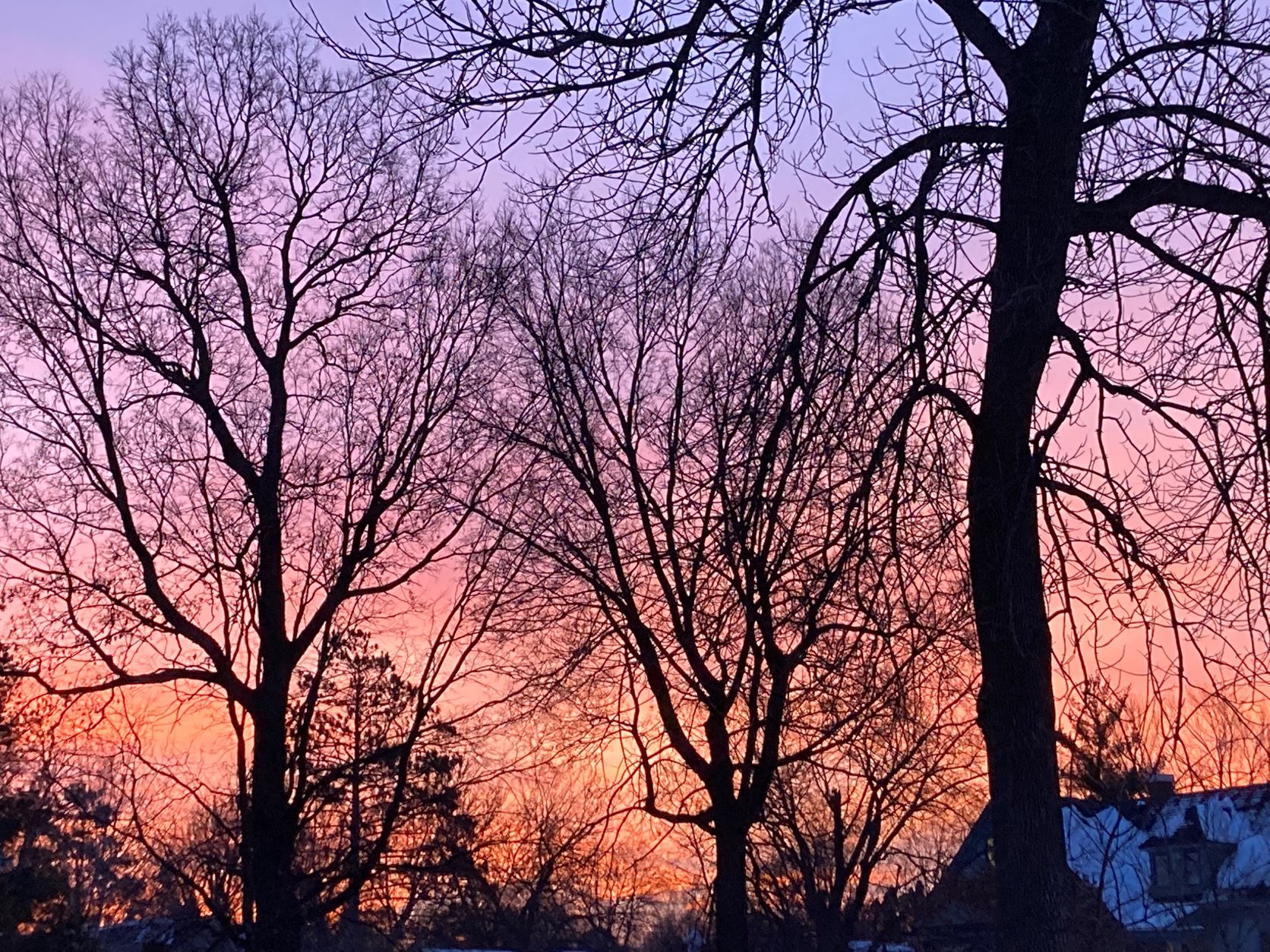
Dawn from Our Front Porch
Not so much to say about this poem, except that I find it helpful to step out each morning for just a few breaths of fresh air, and also that every a friend (thanks, Ann!) enrolled me in the Cloud-a-Day organization I find that I photograph the sky nearly every day, often many times each day.
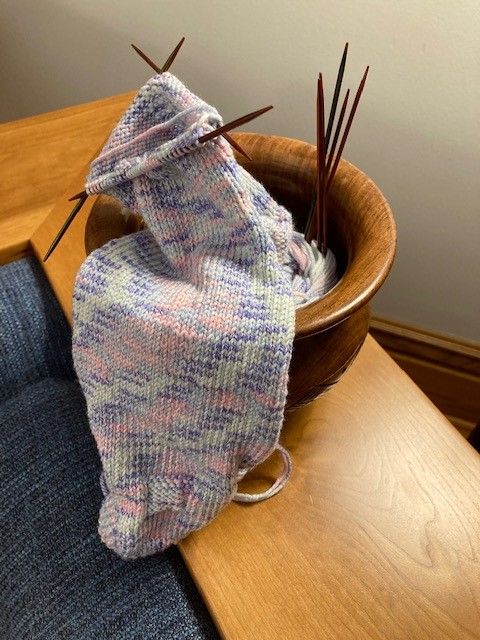
As many of you know, for some years I have been knitting socks. I had wanted to learn how ever since I read this translation by Robert Bly of Pablo Neruda’s paean to homemade socks. I had learned how to knit in the round on slim bamboo needles from Vanessa Bodrie, who taught a knitting class for homeschooled students and their moms, but I was defeated from rendering a sock until another Northfielder, Kate Stuart, kindly (and very patiently) walked me through turning the heel and shaping the gusset.
(I would like to add that one-on-one instruction in knitting is the only way for me to progress, and that Northfield Yarn excels in this kind of tutoring for knitters at all levels–thanks to Cynthia Gilbertson’s Sweater Academy, I have actually knitted my first sweater and it fits! Still, socks are currently my comfort zone. I knit the same sock over and over with slight variations. And the best place I have found to discover new color and blends of sock yarns is Northfield Yarn.)
Handmade socks–for yourself or for another–are always a gift of love. And I think that beautiful things gain in beauty when they are used for their intended purposes, for then an ordinary day becomes enchanted. No one has captured the sheer magic of this better than Neruda, that controversial and passionate poet-statesman who won the Nobel Prize in Literature in 1971. I can’t read the work in its original Spanish, and I don’t know enough about the art of translation to weigh in on the controversy of Bly’s work as a translator, but, for me as a reader, this one works. It sings, and it has moved me to action over and over.
Maru Mori brought me a pair of socks which she knitted herself with her sheepherder’s hands, two socks as soft as rabbits. I slipped my feet into them as though into two cases knitted with threads of twilight and goatskin. Violent socks, my feet were two fish made of wool, two long sharks sea-blue, shot through by one golden thread, two immense blackbirds, two cannons: my feet were honored in this way by these heavenly socks. They were so handsome for the first time my feet seemed to me unacceptable like two decrepit firemen, firemen unworthy of that woven fire, of those glowing socks.
Nevertheless I resisted the sharp temptation to save them somewhere as schoolboys keep fireflies, as learned men collect sacred texts, I resisted the mad impulse to put them into a golden cage and each day give them birdseed and pieces of pink melon. Like explorers in the jungle who hand over the very rare green deer to the spit and eat it with remorse, I stretched out my feet and pulled on the magnificent socks and then my shoes.
The moral of my ode is this: beauty is twice beauty and what is good is doubly good when it is a matter of two socks made of wool in winter.
“Ode to My Socks” from Neruda & Vallejo: Selected Poems, by Pablo Neruda and translated by Robert Bly (Boston: Beacon Press, 1993).
For more on Pablo Neruda and Minnesota’s own Robert Bly, checks Poets.org or see the links here.
Regarding my poem for today, “Mulberries”: This poem (shared via email to those interested) is, in some ways, the inverse of the Neruda ode above. In that case, the poem triggered action in “the real world.” “Mulberries” describes a childhood encounter of the natural world that led to a kind of plein-air art-making and gave rise to a fascination with the history of this useful and astonishing plant, Morus alba, used for shade and fruit, to feed silk worms, and to make ethereal writing and gift-wrapping papers.