It was a tune, a light air, in the second or third piano book.
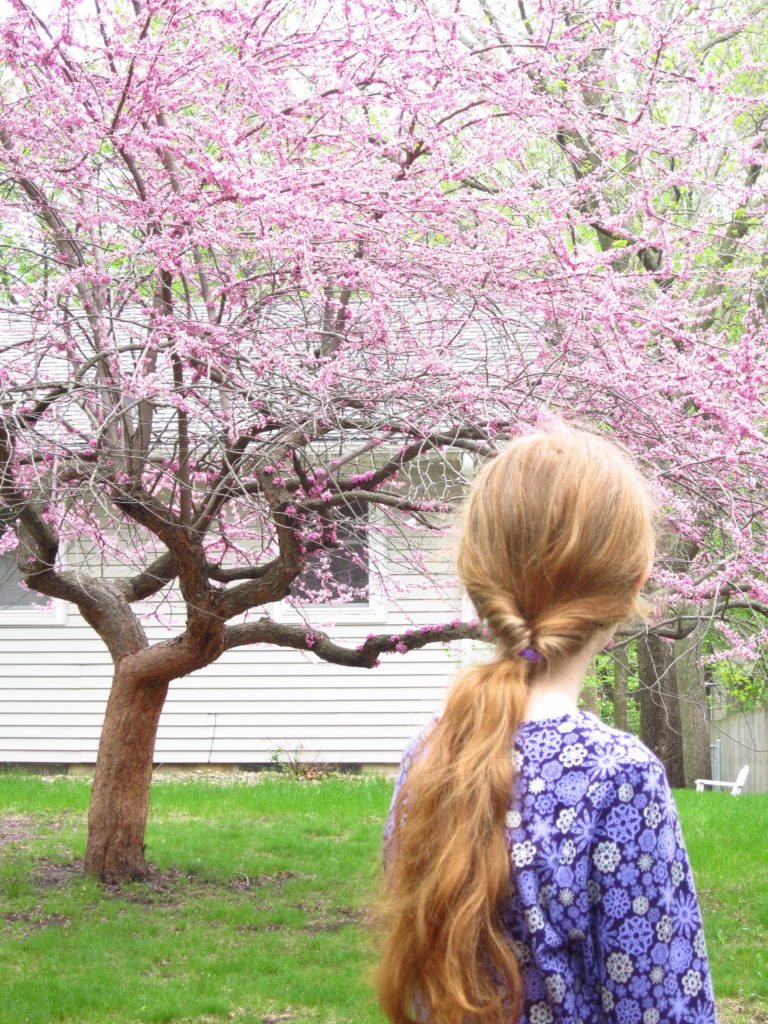
You practiced all that wet spring, young girl with vast imagining.
I recall how you would look out through the glass door
at the April rain streaming, turn back to practice, to dreaming
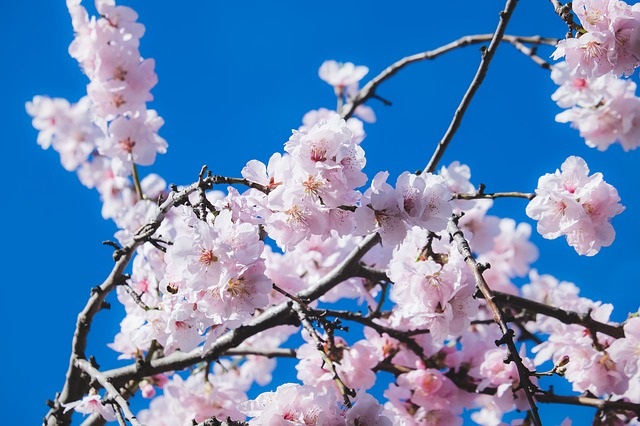
of pink blossoms, of blooming.
Leslie Schultz
I found the image above yesterday. Tim and I took a walk downtown. I carried an umbrella which I needed on the way home as we encountered one of those delightful brief storms when it rains as the sun is shining. We sheltered for a few moments under the awning of the Blue Monday Coffee Shop, where I saw these other umbrellas in two- and three-dimensions.
And we are here, as on a darkling plain Swept with confused alarms of struggle and flight, While ignorant armies clash by night. Matthew Arnold, “Dover Beach”
Each day, we find new roads closed. Evenings now, after jack hammers still, street barricades are stacked haphazardly, a little jauntily. When the sun slips away, their orange lollipop lights begin to blink, not at all in sync, shooting confused instructions for caution into all the houses on our street.
Days contract for the duration of this disruption. What age are we in? Gold? Silver? Bronze? No— Silicon or Microbe. Of social media and social distance. Of masks and doubled-locked doors, small panics, and tidier drawers.
Not an age of Oak or Ash. No way is pure or clear. A kind of Plywood Age, strong in its way, and useful if—viewed edgewise— unbeautiful. Insights and erosions laid in layers like phyllo or millefiori, then folded
into new shape, new tesseractive points of view. Innocence and Anxiety are commingling. Something else is coming, cloudy and stormy as the birth of a star. Perhaps a coalescing, expanded sense of who we are.
Leslie Schultz
I was reminded this morning that it was the British Victorian poet Matthew Arnold who coined from German the English word “Zeitgeist” or “Spirit of the Age” in order to describe the social unrest of the Industrial Age, the widespread disruptions and erosions caused by a move away from hand tools toward machines, away from pastures and fields into cities. We still have ignorance clashing with insight, of course, because we are humans, but I am grateful to be standing on my particular corner of this darkling plain. I find I am quite interested to find out what will happen next.
The giant red nebula, NGC 2014, and its smaller blue neighbor, NGC 2020, part of the Large Magellanic Cloud in the Milky Way, about 163,000 light years away, in this new image by the Hubble Space Telescope.Credit…NASA, ESA and STScI
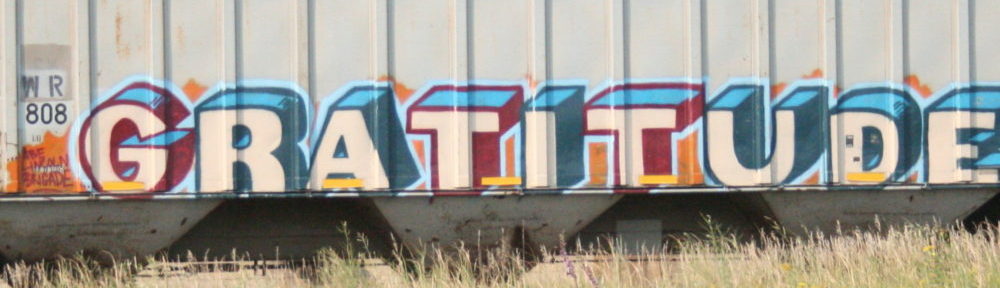
We have come to the end of the alphabet sequence but not to the end of the month. Who know what tomorrow will inspire?
Grandma Marie is a founding member of the Knit-Wits. They turn out hats, sweaters, scarves, and socks. They turn up for canapes and cocktails, a little discreet dishing of those not there, complete with embroidery but just around the edges, building up the local gossip row by row. Here’s the thing: we learn from each other how to make it new.
In storytelling, too, there needs to be a looping back, complications that only appear to be tangles. Details are key; so are color and contrast. Without some holes, there is nowhere for the attention to catch hold. But, ladies, let’s remember— vary that pattern but don’t make it up out of whole cloth or improbably sticky yarn. Leslie Schultz
It is a shame to waste these precious drops, to fling water like pearls of rain onto sand.
(On the other hand, flow is everything.)
Long roots filter out rank poisons. Water carries them back into the making dark. (Rejection or chagrin are perennial, self-sowing.)
Depending upon conditions, select with care.
For sun: asters and black-eyed Susans, coneflowers and yarrow, blazing star and prairie dropseed, even Blue Heaven little bluestem.
(Read! Read! Read! The blaze of tradition shines forth and nourishes.) For shade: columbine and wild ginger, wild geranium and Solomon’s seal, pachysandra and dead nettle, bugleweed and red twig dogwood, wild hosta and cinnamon fern.
(The coaxing practices, the lattices of form and habit.) Finally, perhaps a rain garden? Something to catch what spills in?
(The index cards handy. The pencils sharpened.)
“A garden,” said Stanley Kunitz, “ is a poem that is never finished.”
He knew a thing. Or two.
Leslie Schultz
Today’s poem is inspired by a perennially favorite text, The Northern Gardener: From Apples to Zinnias–150 Years of Garden Wisdom by Mary Lahr Schier. Two years ago, that handy and beautifully written compendium introduced me to a new word and inspired a poem, “Cotyledons,” about those first two tiny green leaves thrust up by a sprouting seed. This year, the chapter on “Xeriscaping” inspired a poem.
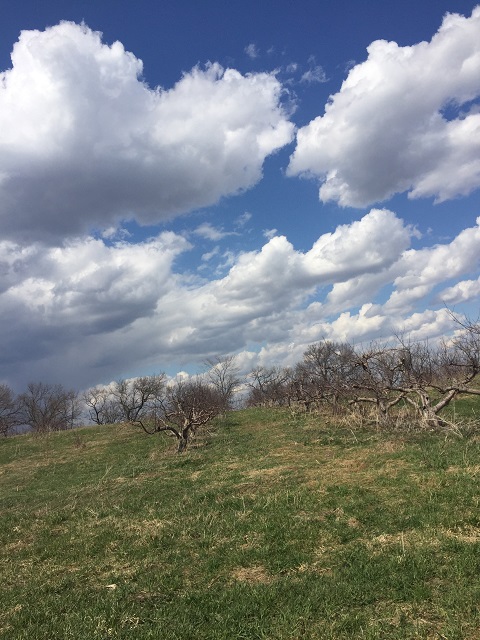
The photographs here of plants were taken on Earth Day, 2020 at the nearby McKnight Prairie Remnant,seven miles from Northfield. This thirty-five acre piece of land is the epitome of xeriscaping with native plants and is cared for by Carleton College. Tim and I were able this year to visit early enough to see, for the first time, the pasque flowers blooming.