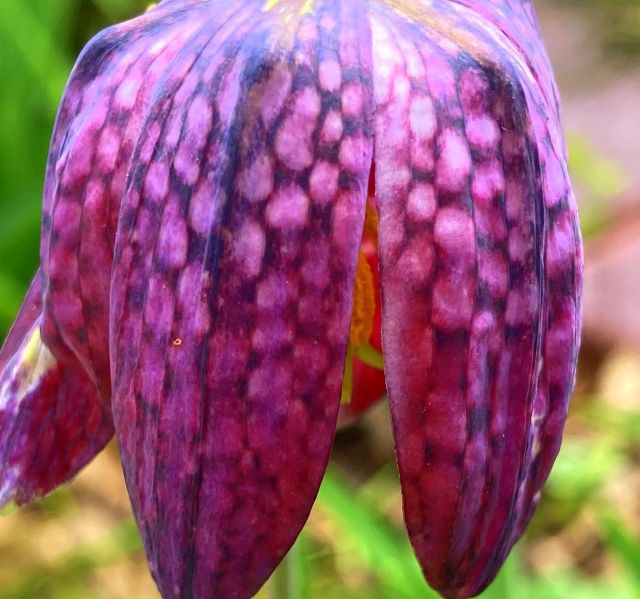
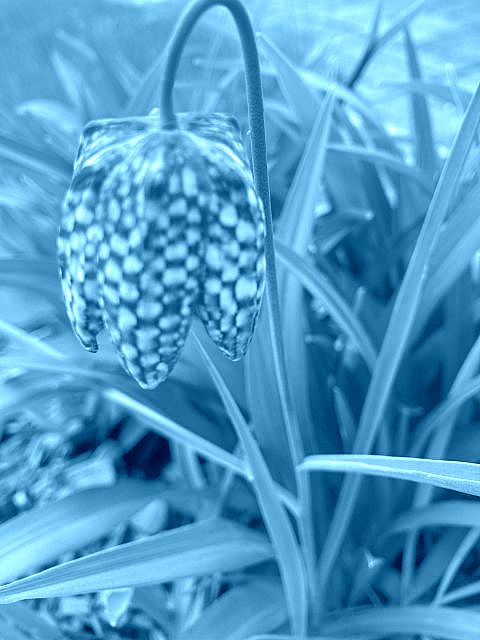
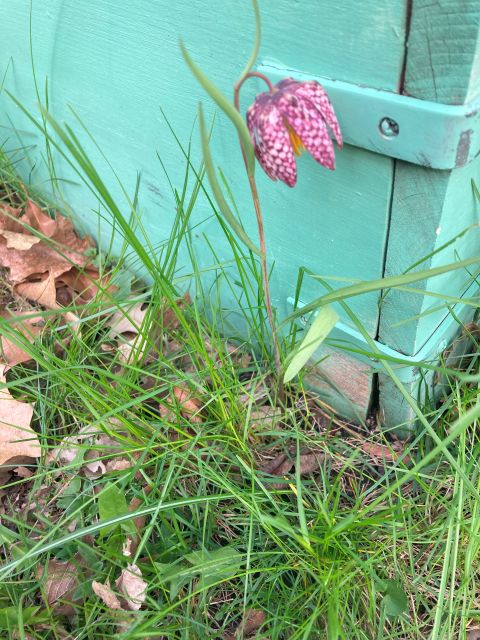
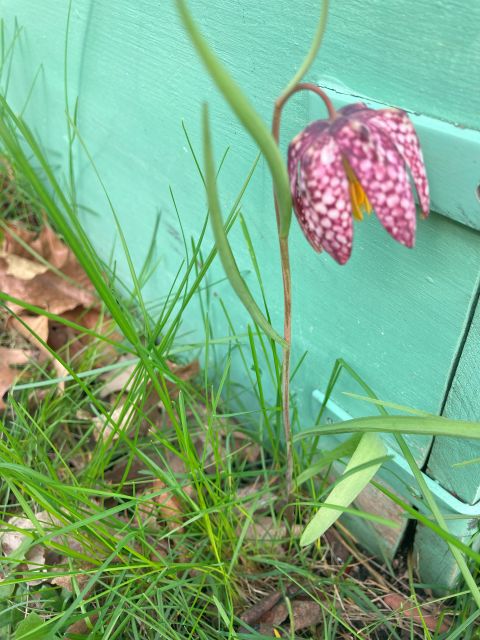
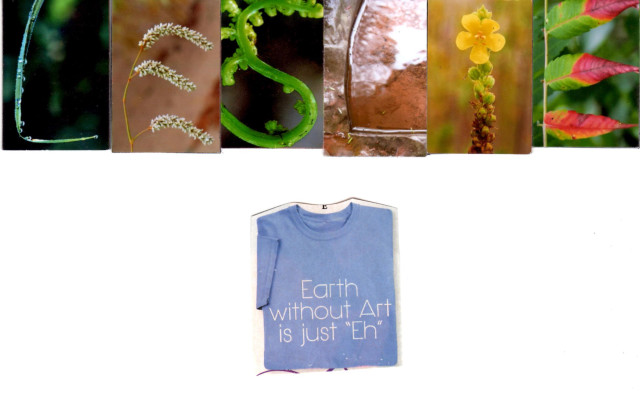
Each year, I wait for the emergence of the delicately dazzling snake lilies. When I saw the term “nodding” today, in Rosendahl’s glossary, these early blooms are what I thought of. These images are from last May.
Last year, too, these special small flowers appeared in an April post, with a poem inspired by their humble strength, and the courage it takes sometimes simply to exist.
The word, “keel,” comes from the Old Norse word for “ship.” As it was Rosendahl’s only gloss on a term beginning with the letter K, it served as the inspiration for today’s poem.
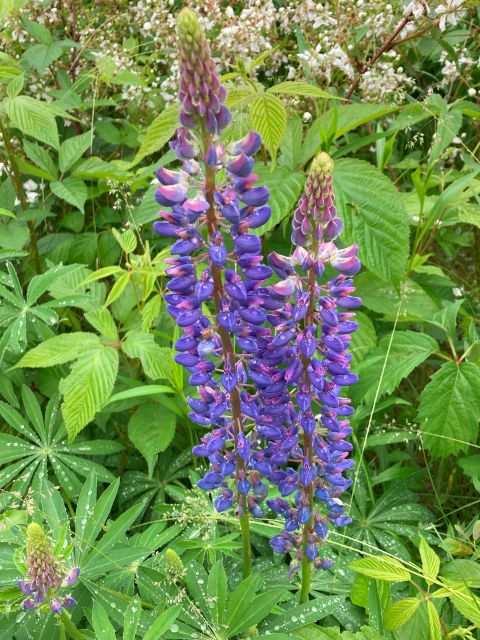
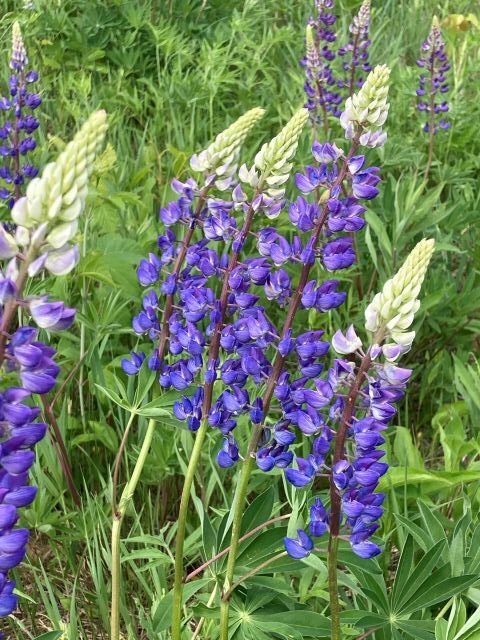
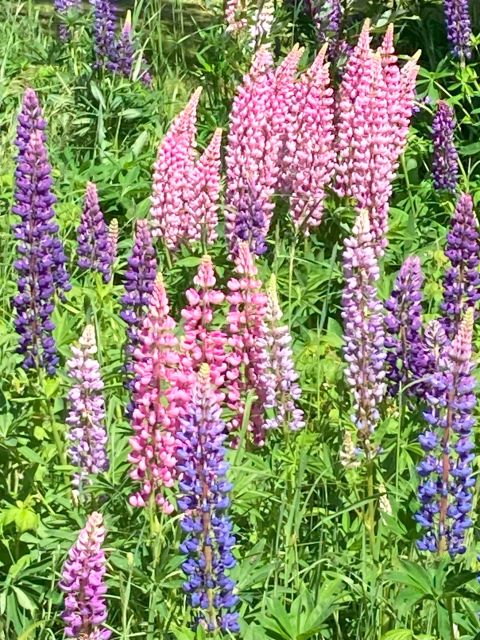
In botany, a “keel” refers to the fused, boat-shaped structure formed by the two bottom petals in flowers, especially of the Papilionaceous branch of the Fabaceae family–legumes like peas and beans and lupines. One also sees this in some orchids including dendrobium and black orchids, plants which live in Minnesota houses but not in Minnesota gardens.
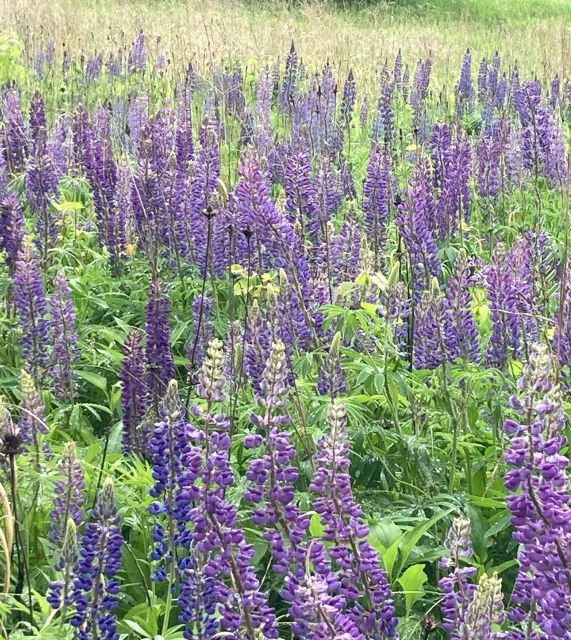
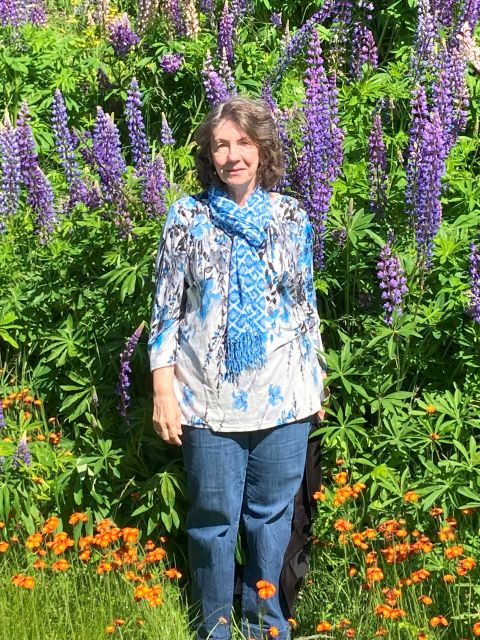
The descriptions in “Fairy Boats” and some of the images in this post come from photo safari visits to my friend, Judy. She lives outside of Northfield on many acres that manage to contain several habitats: lawns, hedgerows, gardens, prairie, ponds, and dense woodlands. The stand of lupine described in the poem was not planted by her but inadvertently by passing birds. (Visits to Judy’s land has sparked several other poems over the years and more than 1,000 photographs.)
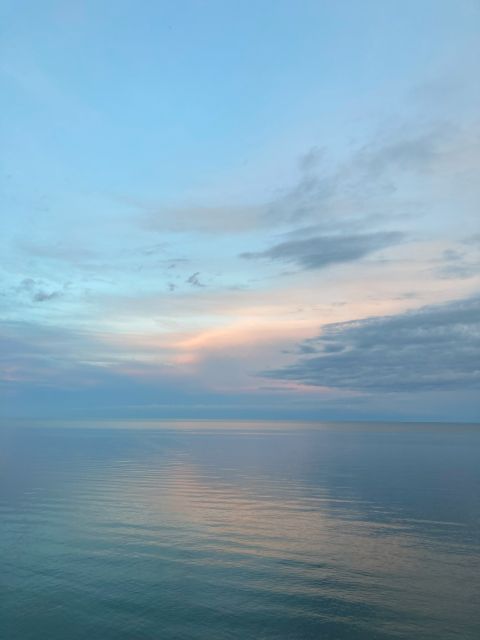
Lupines also flourish along Minnesota’s North Shore, and thrive abundantly in the ditches near the rocky beaches of Lake Superior. The images below come from that region.
Wishing you an imaginative day, wherever you journey! LESLIE
Rosendahl’s glossary does not contain an entry for “J,” but last evening Tim suggested “Juglone.” If you have a black walnut tree, then you know about this chemical secreted by the trees. Gardening centers and extension services provide lists of plants which are most likely to tolerate this onslaught — though not sure that any plant actually enjoys ingesting juglone.
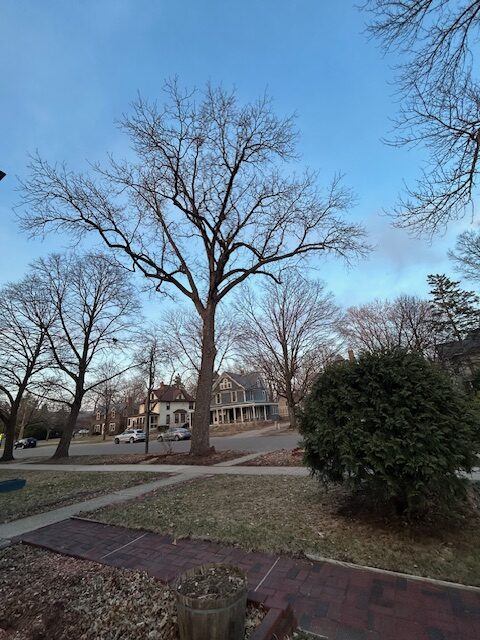
Black Walnut Dominating the Back Garden
I think that these walnuts–bookending our property to the perennial delight of grey, red, and albino squirrels alike–are beautiful, but they offer us perennial challenges, too. And for humans without access to a hydralic press, it is almost impossible to crack the shells and harvest the nuts. (Hammers and the rear tires of vehicles are ineffective.) I often ponder the strength of squirrel jaws–and am powerfully glad that they are not any larger than they are!
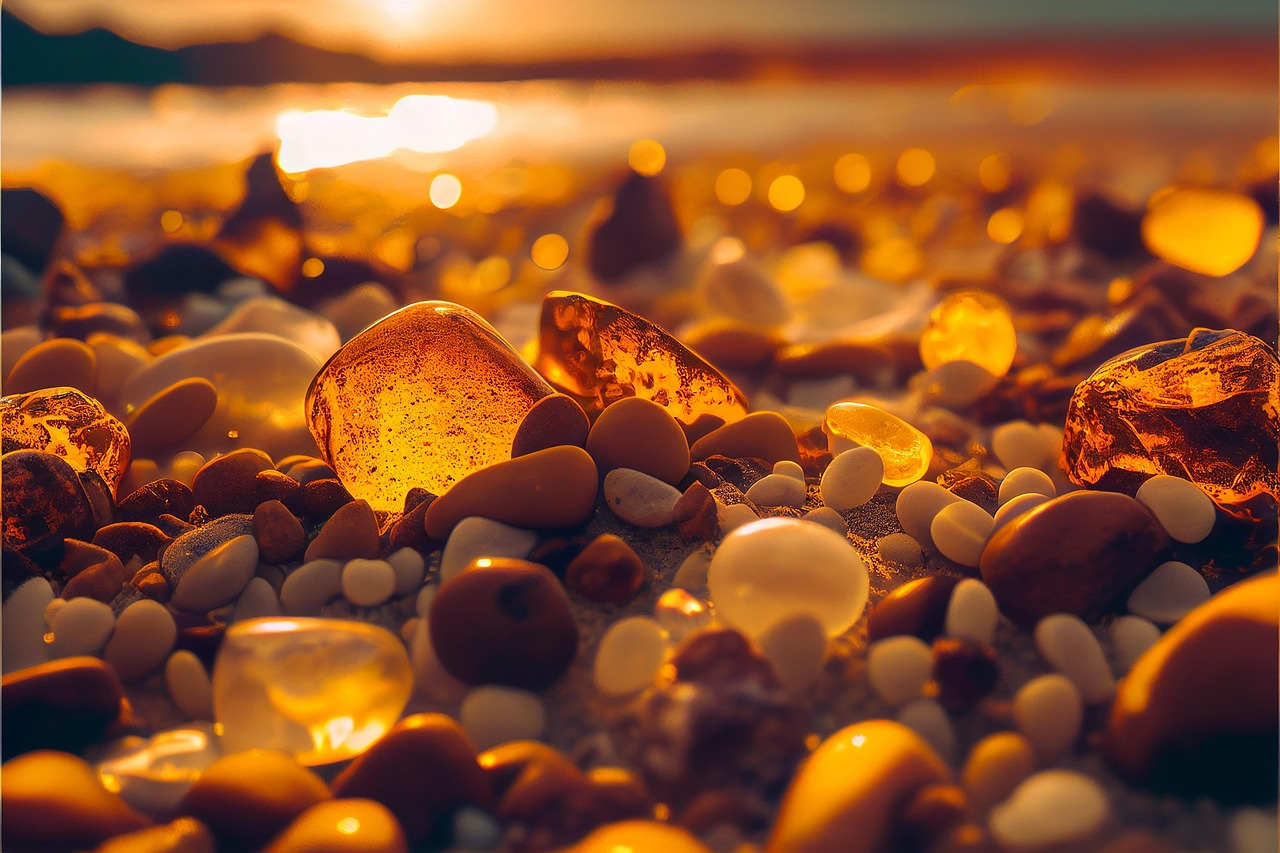
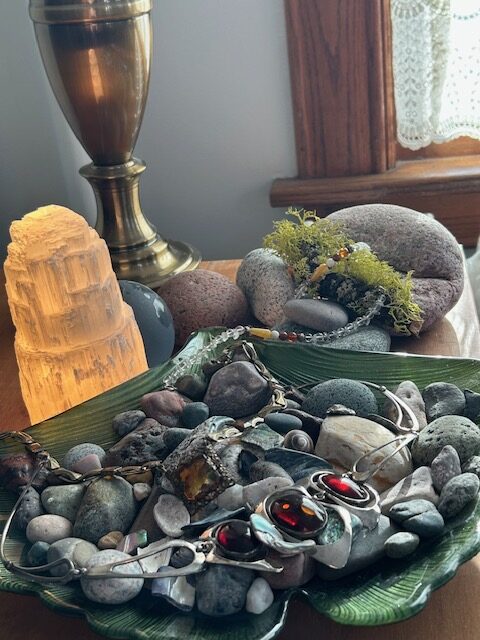
Did you spot the botanical term in today’s poem? Good for you! Rosendahl defines “exudation” as “sap, resin, or milk that has oozed out, usually dried.” I thought first of the milky substance that weeps from broken dandelion stems, then thought of Baltic amber and the shores of my distant ancestors–Jutland, Denmark, Sweden, Norway, Prussia, Britain.
It these frightening days, it helps me to think of geologic time, even as we strive to protect our own world.
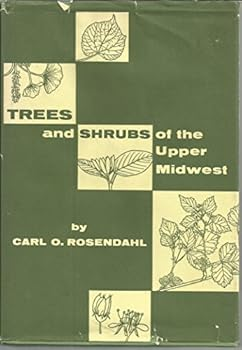
Today I learned a new word, the catalyst for a new poem. The poem, “Citified Yawps,” was sparked by the word “awn.” I encountered this word for the first time this morning in the glossary of a venerable botanical reference book, Trees and Shrubs of the Upper Midwest by Carl O. Rosehdahl.
I don’t own this book, but my friend, Bob Bensen, retired plant scientist and poetry lover, kindly made a copy of its glossary for me. I knew immediately that I could use this list of terms as prompts–as seeds, in effect–for this year’s April poems. In addition, I could extend a little bit my patchy knowledge of the plant world.
For me, it is always helpful to have an impetus when faced with the blank page and the need to write a poem in the next hour. I don’t seem to do very well with prompts offered by other people, though–not sure why–and so this year I am planning to use botanical terms unfamiliar to me.
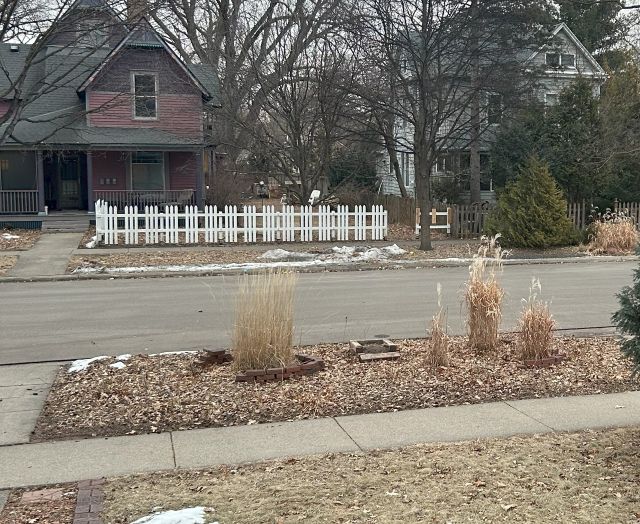
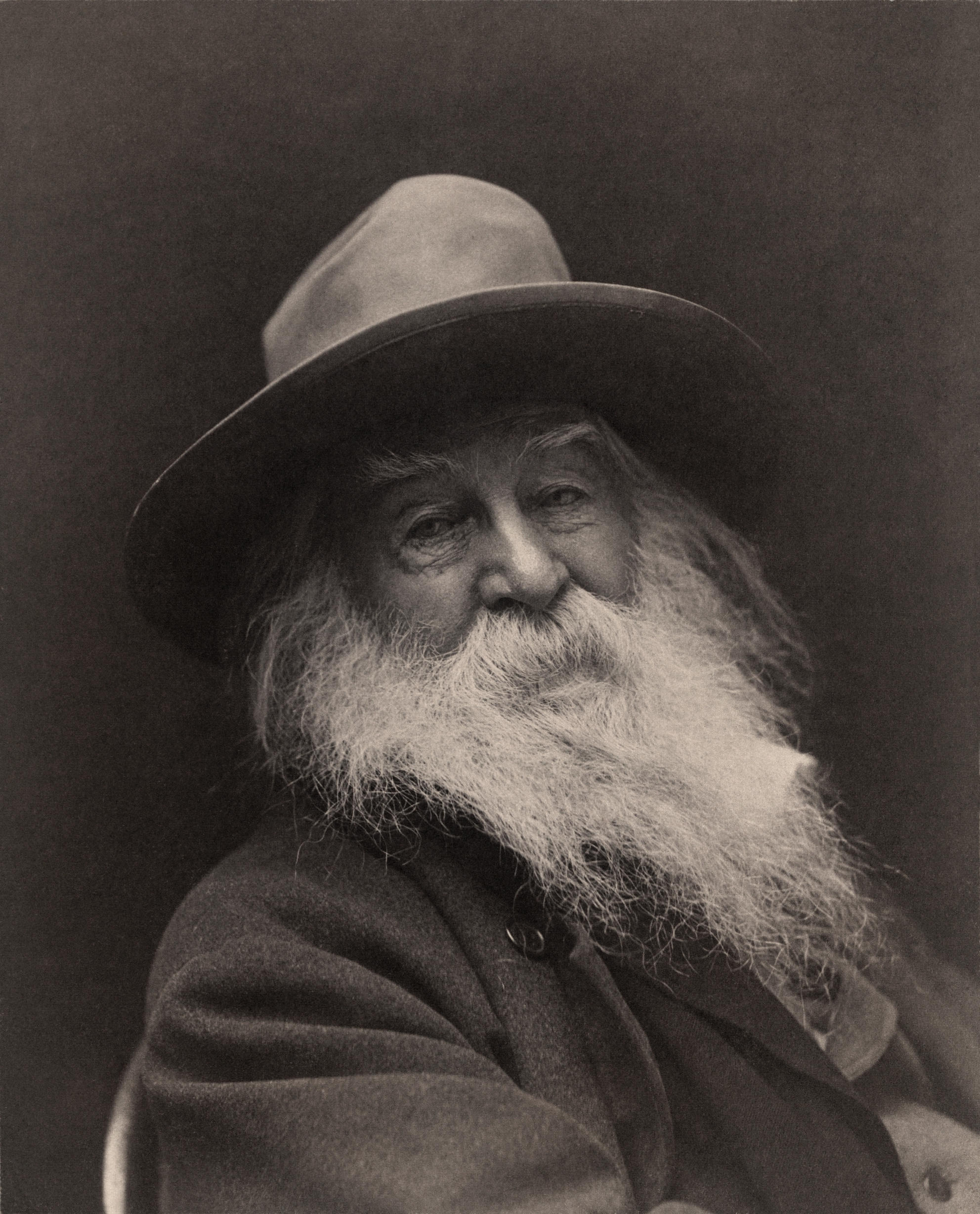
About today’s poem: “Citified Yawps,” was inspired by the word “awn” in the glossary form Rosendahl’s book. If you, too, are curious about this delightful syllable, the link above will take you to a precise definition and a photo. I hope that I have used the word correctly as well as metaphorically. The surprise to me was how this syllable offered me a luge ride right into the work of Walt Whitman, right to my favorite passage, 52, from his “Song of Myself” which contains the passage:
I bequeath myself to the dirt to grow from the grass I love,
If you want me again look for me under your boot-soles.
as well as that fabulous phrase, “barbaric yawps”.
Awns are described as the “beards” of grasses, and so the associations brought Whitman to mind immediately. (Is this a word that everyone else already knows? Probably! I am glad it is now a part of my own vocabulary.)
Whitman is not in my circle of all-time favorite poets, but his influence on modern poetry cannot be denied, clearly.
Wishing you joy and poems all April long!
Note: I share April poems via email. If you are not already receiving these daily poem emails and would like to, let me know and I will add you to the list.