Postcard: June 10, 2019
“Poetry,” W.H. Auden famously asserted, “makes nothing happen.” Well, I am not so sure of that.
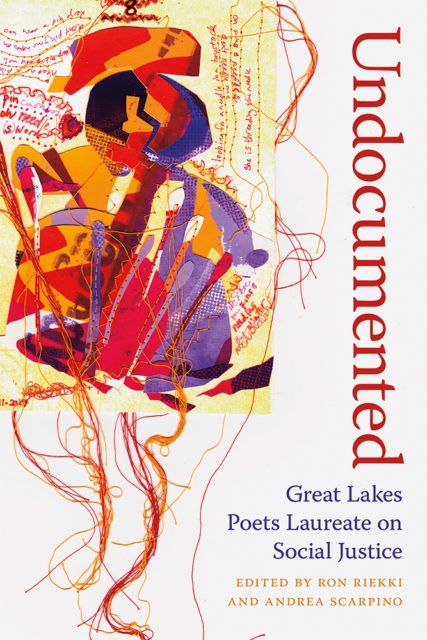
On Monday, May 20, a capacity crowd gathered at Content Bookstore to hear readings from five of the poets laureate whose work is included in Undocumented: Great Lakes Poets Laureates on Social Justice, edited by Ron Riekki and Andrea Scarpino (Michigan State University, 2019).
Ken McCullough, James Armstrong, and Emilio DeGrazia, all of Winona, Minnesota; Sheila Packa of Duluth, Minnesota; and our own Rob Hardy of Northfield, Minnesota shared their contributions to the anthology as well as other poems. The group reading was followed by questions, informal conversation, and book signings.
This thoughtful and bold anthology presents work that stands at the intersection of personal vision and collective voice in order to document various forms of current and historic injustice. Politically pointed and aware, while remaining poetically adept, the poems of these seventy-three poets–of all ages, from many backgrounds–who have been honored by civic office speak up, cry out, seek to raise awareness and indignation, and stir readers, too, to break voicelessness and take action.
To that end, the structure of Undocumented is well suited. Using the Southern Poverty Law Center’s “Ten Ways to Fight Hate: A Community Response Guide” as the organizing principle, the editors have arranged poems in sections titled “Act,” “Unite,” “Support Victims,” “Do Your Homework,” “Create an Alternative,” “Speak Up,” “Lobby Leaders,” “Look Long Range,” “Teach Tolerance,” and “Dig Deeper.” The table of contents includes a short summary of various ways for individuals to take action, and most of the biographical notes on contributors include at least one recommendation for an effective organization to amplify action.
Providing an array of poetic voices and points of view, this collection encourages everyone, poet or not, to confront the silence that allows injustice in all its manifold infestations to flourish, and provides examples of witness and protest lyrics for our own time.
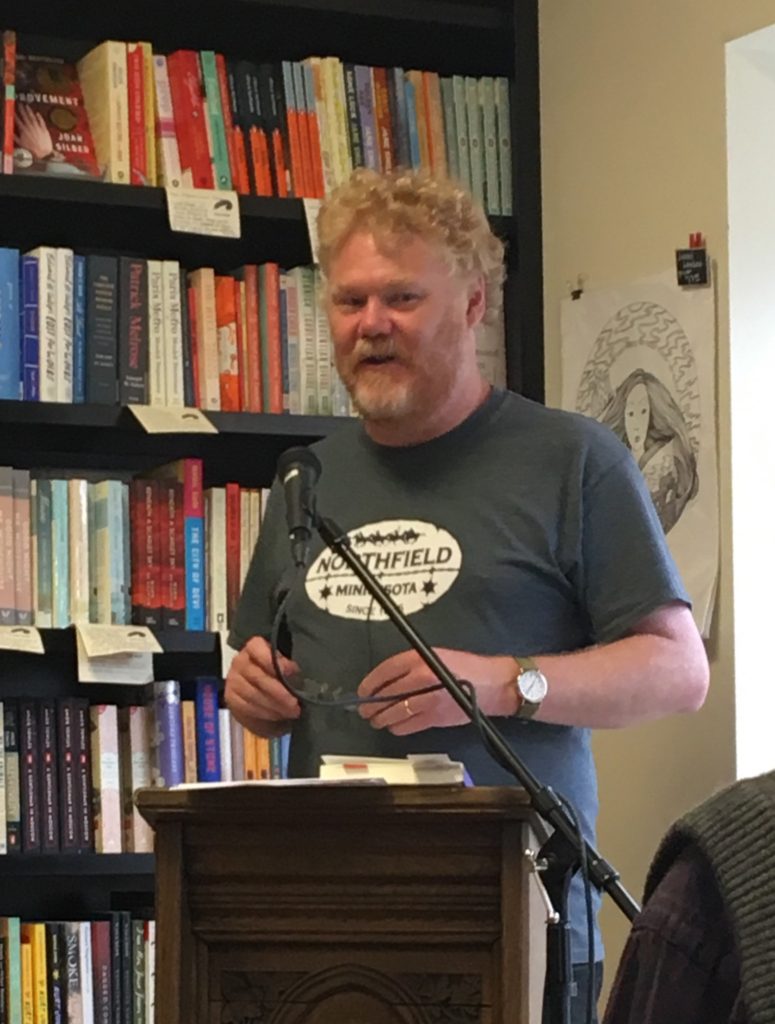
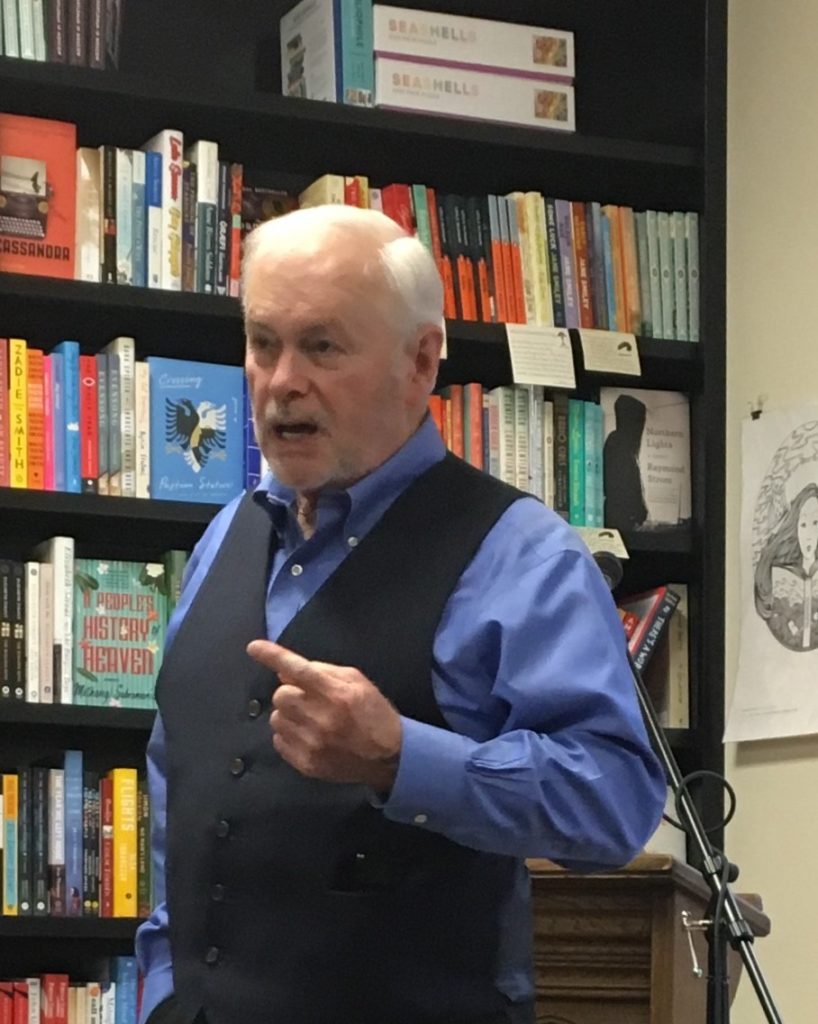
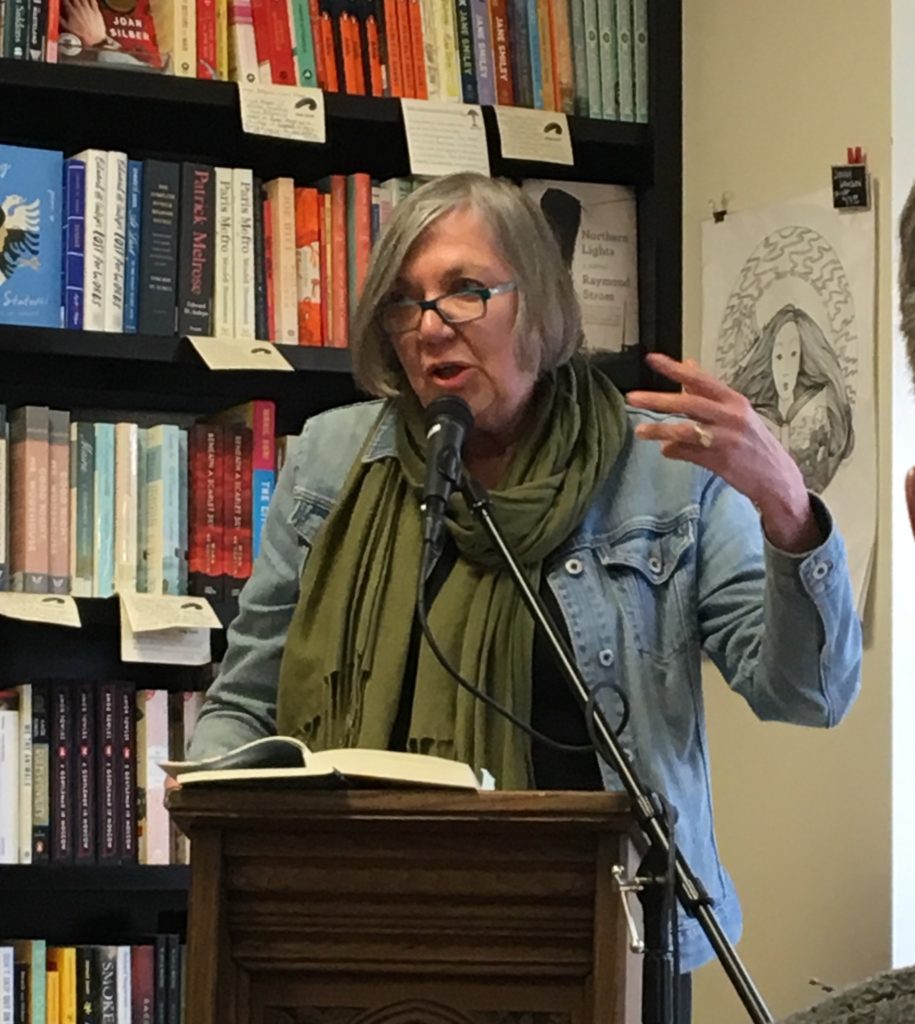
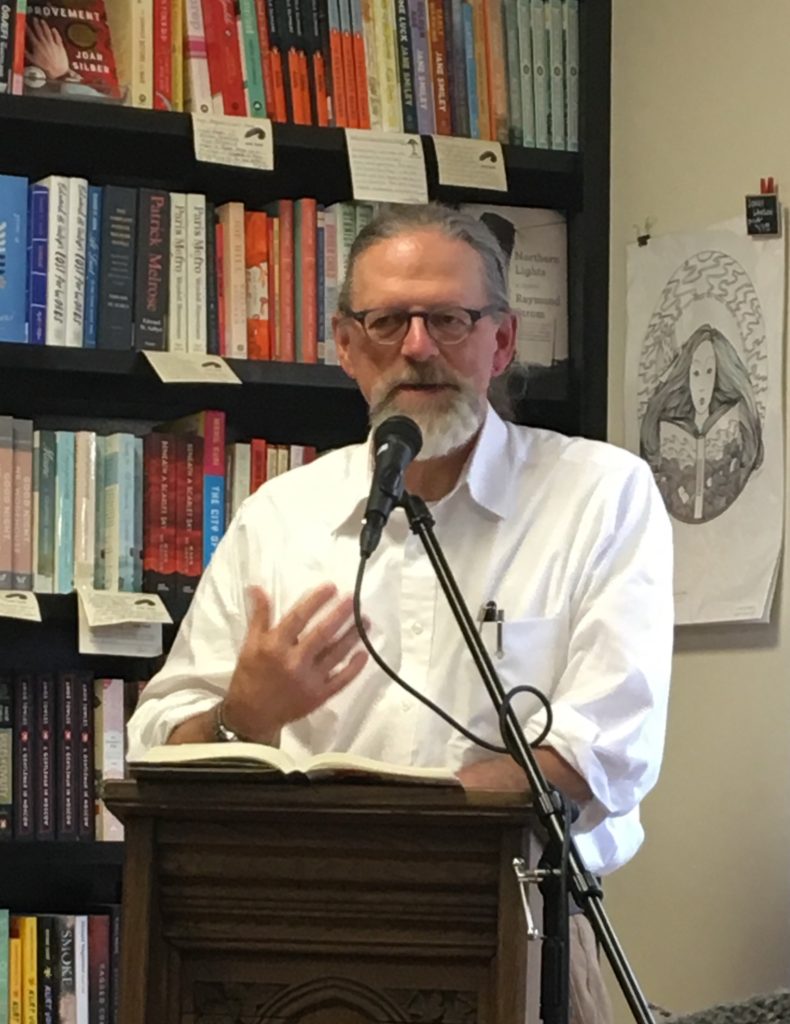
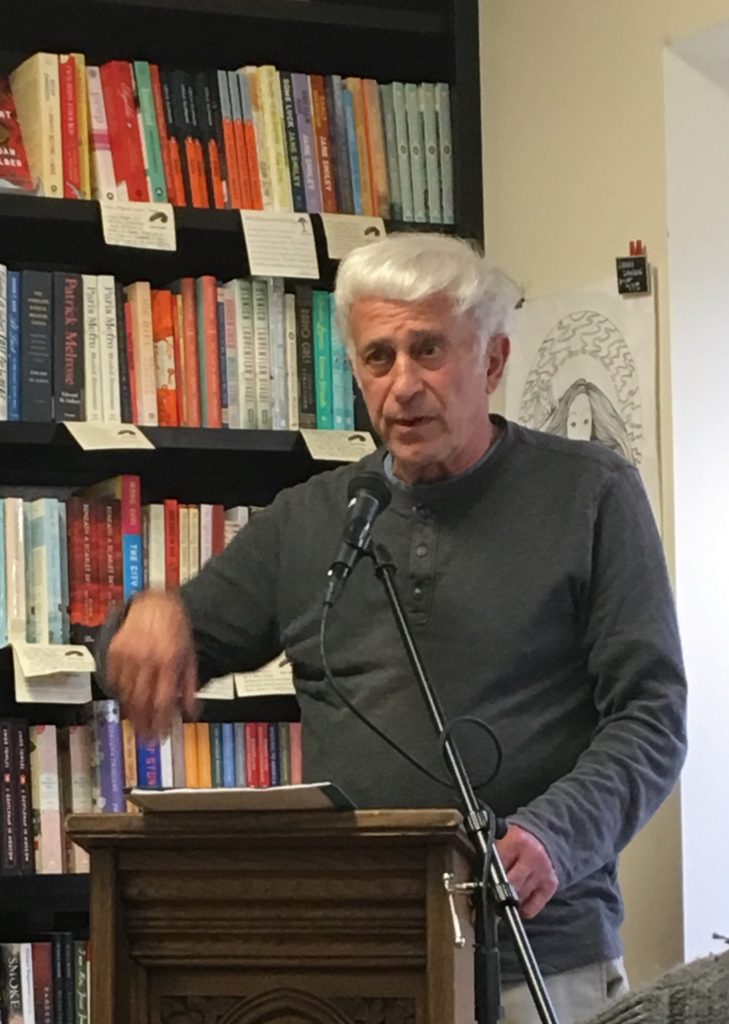
Undocumented, as well as other titles from these fine poets, are available from Content Bookstore, which can be browsed in person or online! Special thanks to Bonnie Jean Flom for permission to use her photographs of the poets.
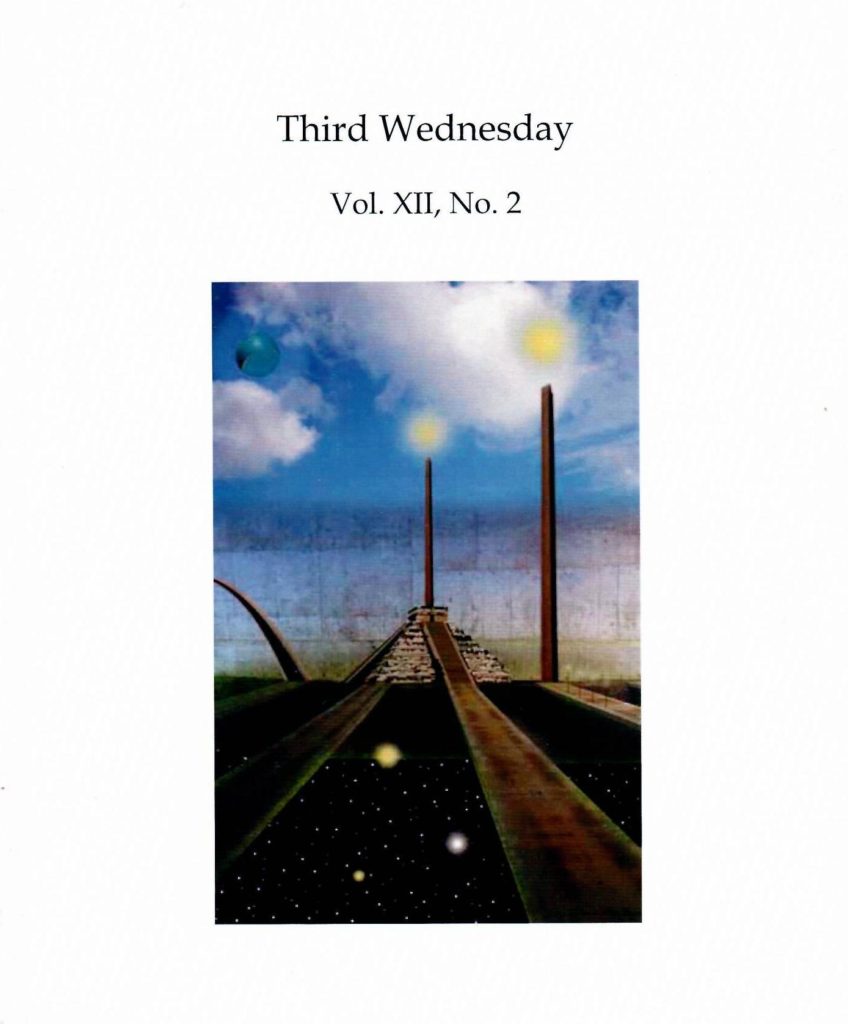
The newest issue of Third Wednesday is out. Once again, I am dazzled by so many poems in its pages and proud to have one of my own included. In this issue, too, I have been especially impressed with the photography.
In the Spring 2019 (Vol. XII, No. 2) issue, I find it harder than ever to cite favorites — but I will anyway. Take a look at Steven Deutsch’s poem “Sam and Saul” about twin musical prodigies; or the frozen lake shore landscape of Scott Lowery’s meditative “Vacancy;” or Jeanie Mortensen’s look at the discrepancies between literature and life in “Dick and Jane;” or Ted Kooser’s consideration of time in “Red Stilts;”or Kathryn Jacobs’s startling perspective in “Calling All Lemmings.”
Like the poetry, the photography in this issue kept surprising and delighting me. My favorites range from the lyrical juxtaposition of a flower and an open book called “Birth” (by Fabrice Poussin) and a study of dunes and sky called “California Dreaming (also by Fabrice Poussin) to the subtle view of exhortatory texts plastered on a gated driveway and house called “Signs” (by Gary Wadley), to — maybe my favorite of all — a head and shoulders portrait called simply “Robert” (by David Jibson.) This one is arresting because it is at once utterly contemporary and positively classical, as though a Roman philosopher visits and observes contemporary complications with earned detachment.
My own poem, titled “Poem in Which I Try, Very Hard, to Do My Own Bidding,” was inspired by a poem by William Butler Yeats called “The Lake Isle of Innisfree.” Perhaps, like me, you have memorized this gem? My own poem doesn’t echo so much the form of the poem as the way in which the heart can be split in its desire to live in two different places or modes at the same time, while recognizing the need to somehow integrate both rather than to choose.
Thank you for allowing me to share these thoughts with you! Leslie